

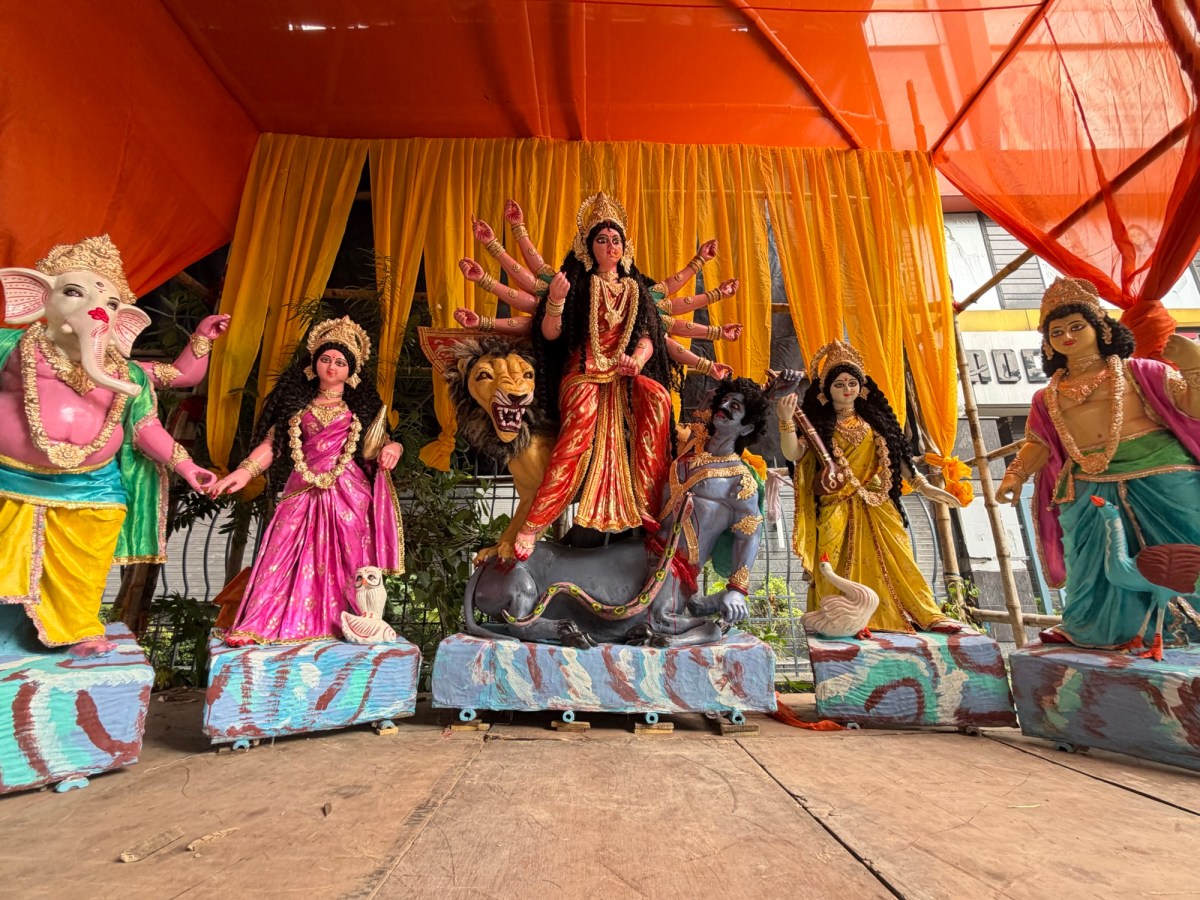
Durga Puja
We are visiting Kolkata at a very auspicious time. The Durga Puja festival has just began and there is festival fever everywhere in the city. It celebrates the victory of the Goddess Durga over the buffalo demon Mahishasura. There is a long battle and some twists and turns but suffice to say good triumphs over evil and she destroys him. The city is decked in orange decorations and many representations…
Keep reading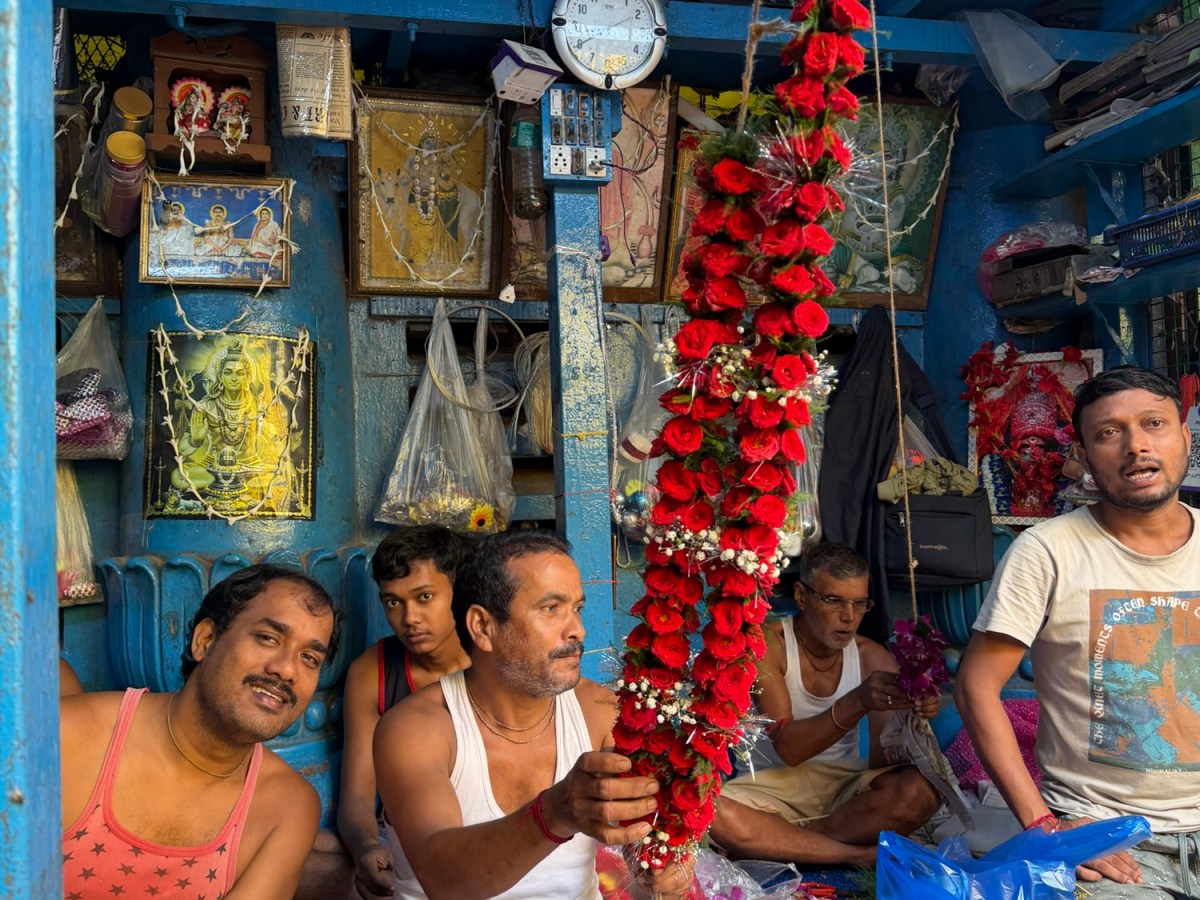
The Armenian Ghat and flower market.
That’s where we started our visit today and given Cyprus’s Armenian population and many friends in that community I was intrigued. The Armenians were in Bengal before the Brits ! There was evidence of their presence from 1630. Armenian traders had arrived in Bengal fleeing religious persecution, (even then) and they quickly became successful traders. The Armenian holy Church of Nazareth dates to 1724.When the Brits arrived they relied on…
Keep reading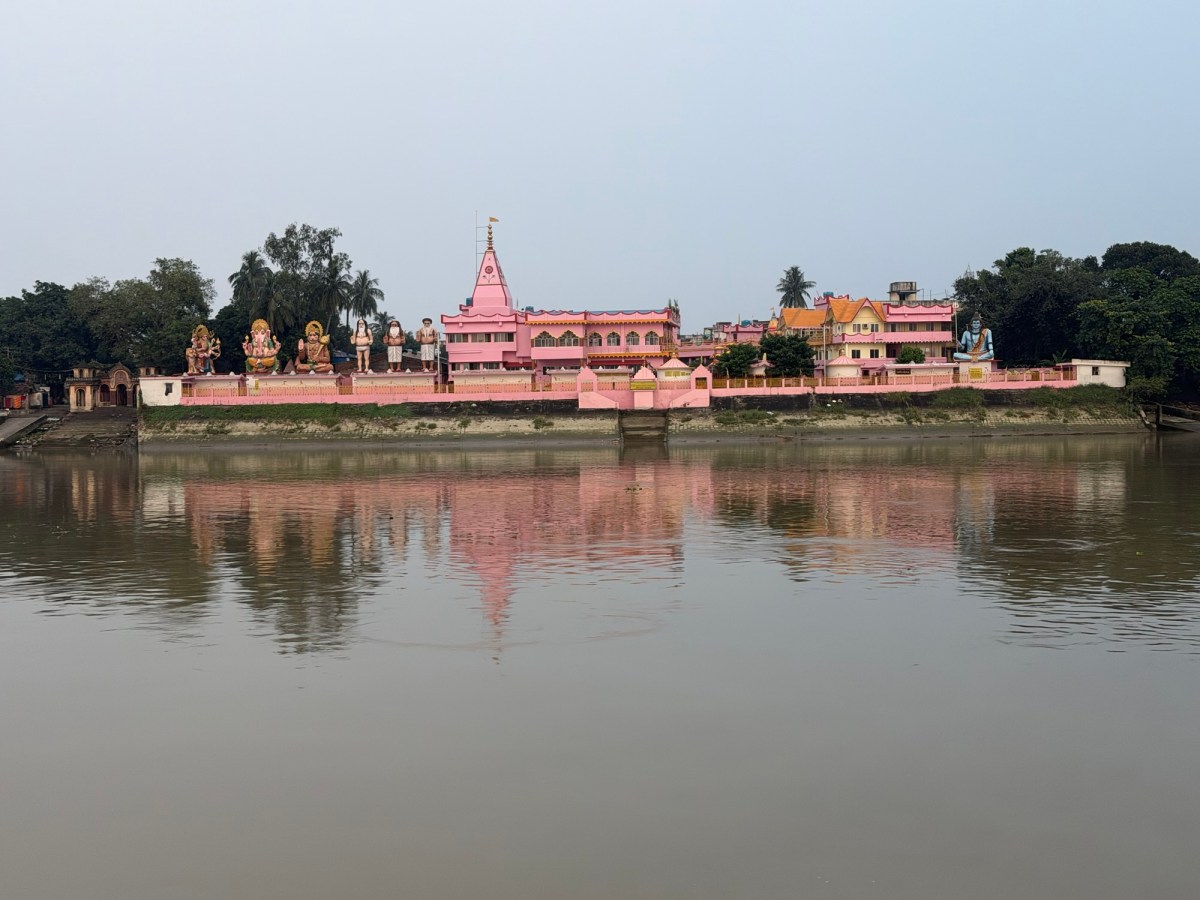
Entering the Delta
The river has a mind of its own and its history has found it chopping and changing course and eventually forming into the Hooghly. Just as holy as the Ganges and sometimes interchanged in name. As we travelled down we saw temples along the riverbank. This one overly pink with oversized statues of local personalities. Further down an army cantonment called Barrackpore where the first martyr of the Indian Mutiny…
Keep reading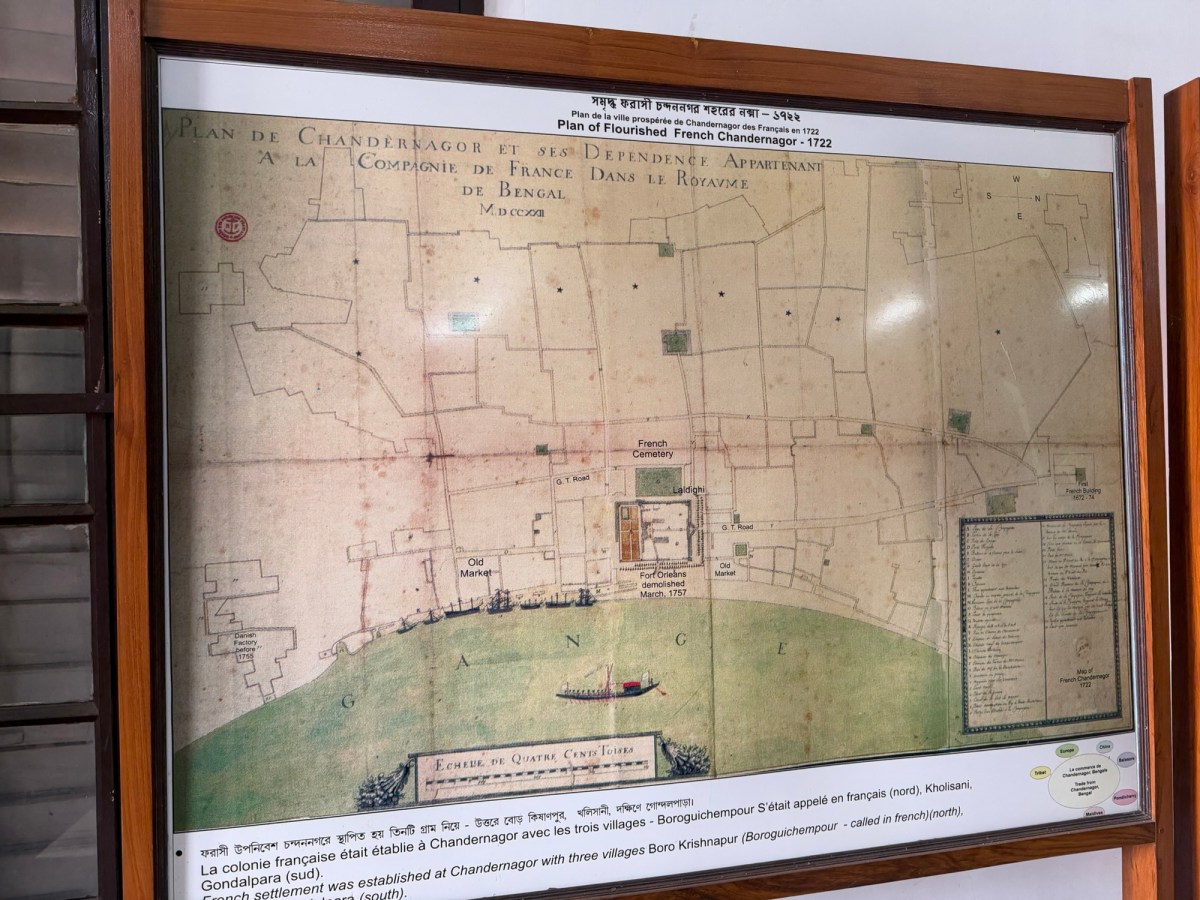
Portuguese, French, Dutch and the English all at it.
Reading how repeated waves of European colonisers came looking to take advantage of this rich and fertile part of India is sobering to say the least. Chandarnagar ( spelling varies enormously ) was part of French India and as we walk down the promenade called the Strand you might just be thinking you are on the banks of the Seine, but here we have the delightful additions of desi dogs…
Keep reading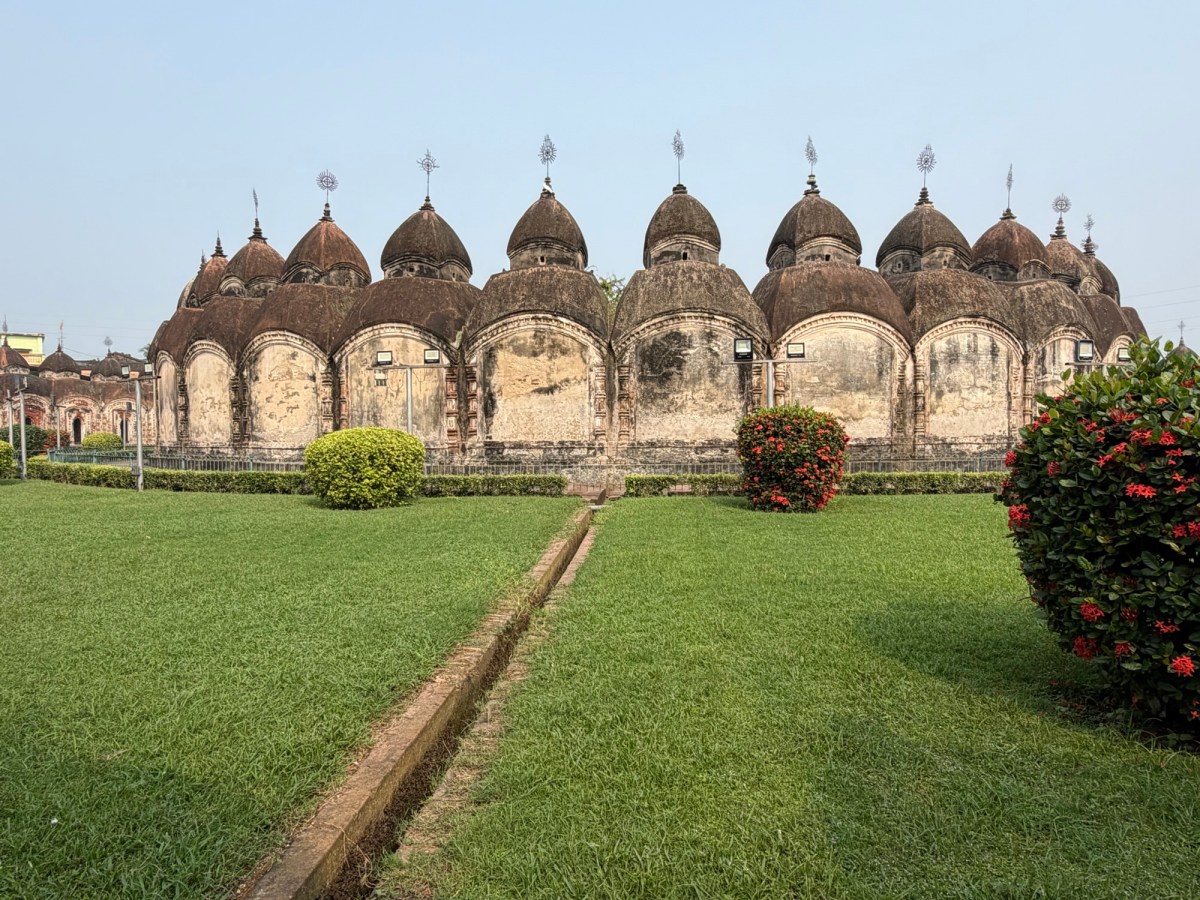
108 Shiva Temples
I have found an overhead photo from Wikipedia which gives you a good idea of this very special place. We are in Kalna City and these temples were constructed in 1809. There are 34 in the inner circle and 74 in the outer circle. Each small temple holds a white or a black lingam. The number is significant and it represents the number of beads on a japamala, prayer beads.…
Keep reading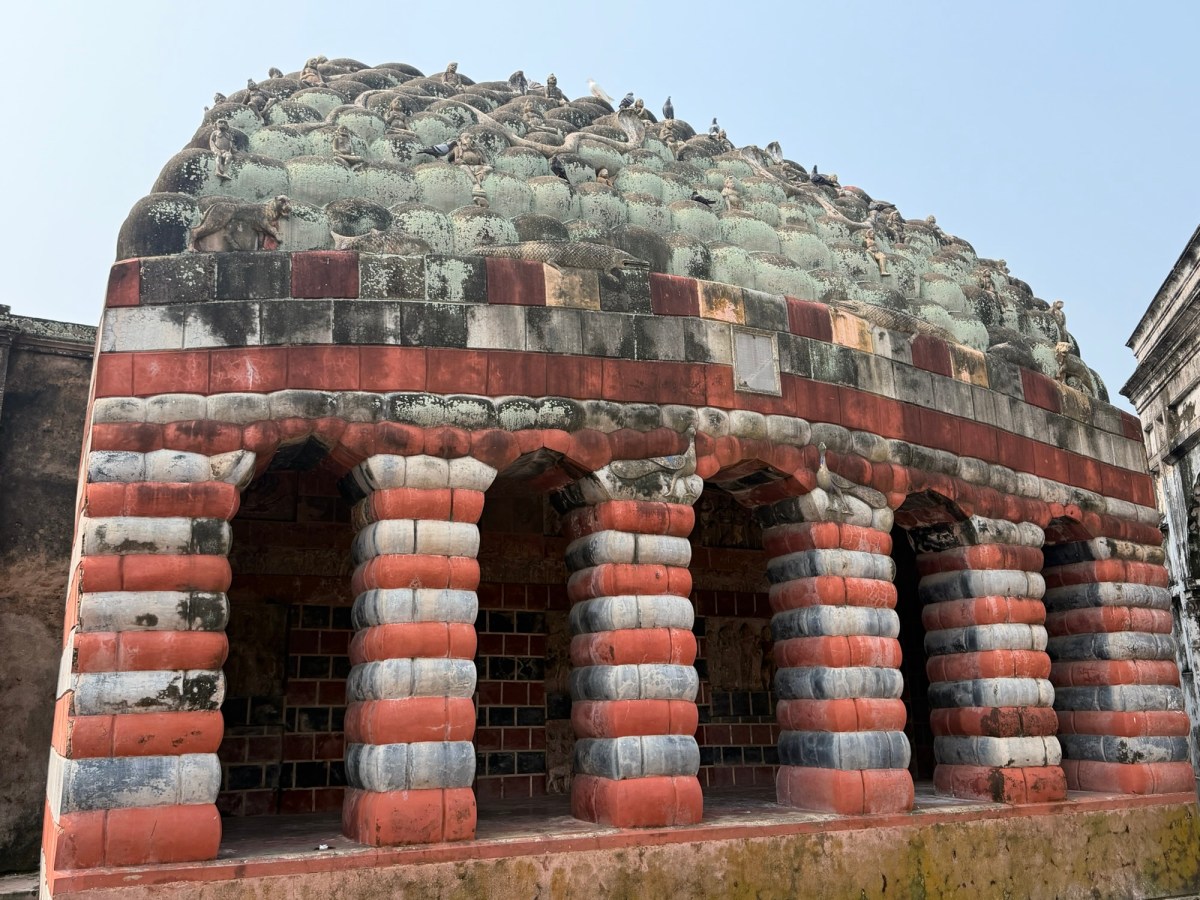
Temple overload?
Well worth it though to get a full appreciation of the Bangla style. Let’s just say it was in full view in Kalna. Extraordinary terracotta temples set in immaculate gardens with a few bored officials and the very occasional Indian tourist. Choosing the most impressive to share here. This was built earlier between 1751 to 1755. This 19th century temple is on a high podium with a single entrance highly…
Keep reading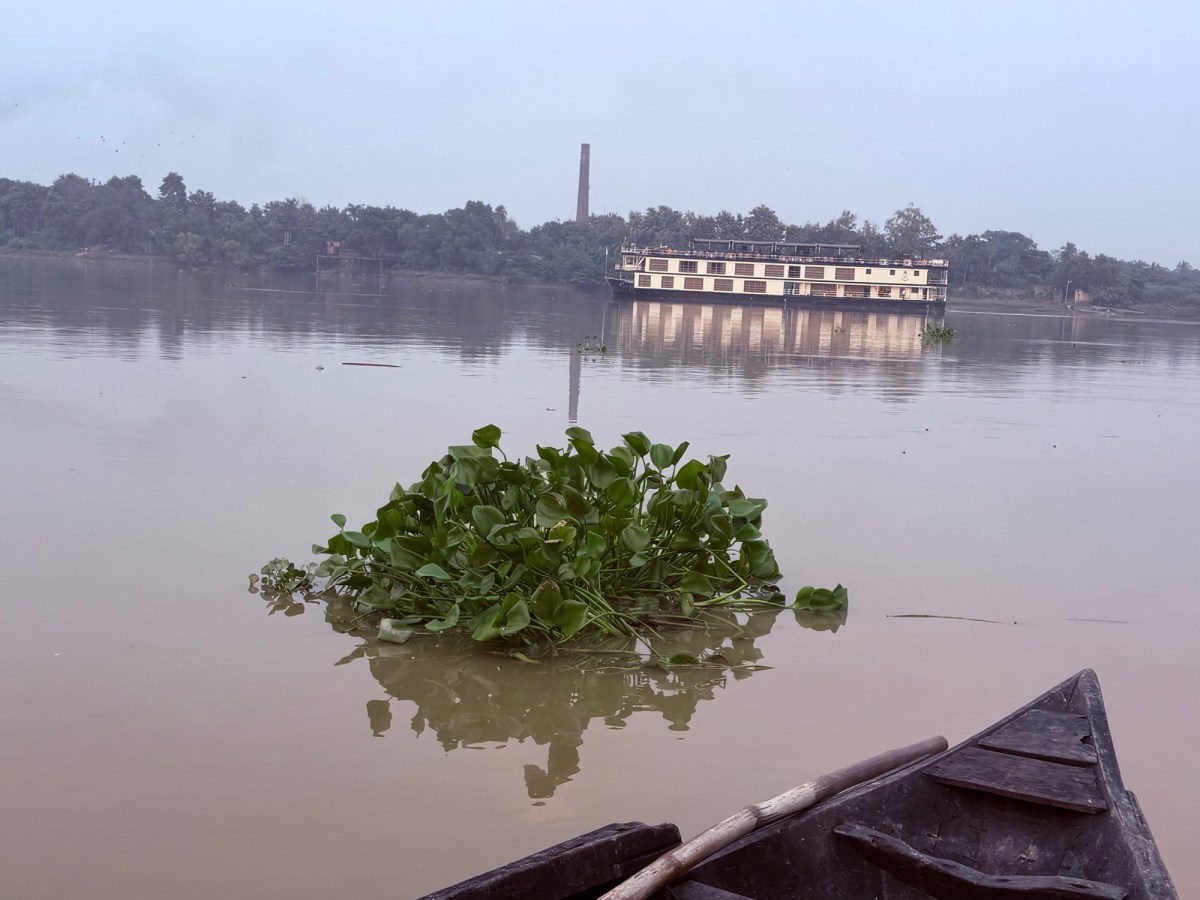
The Terror of Bengal
Looking out onto the Ganges I see nothing but clumps of water hyacinths and branches floating in its waters.The river seems free of the copious mounds of rubbish on the land. Perhaps it swallows it up. The water hyacinths seem attractive with pretty purple flowers but there is a sinister side to them. They are dark and dangerous. So much so that they are referred to as the Terror of…
Keep reading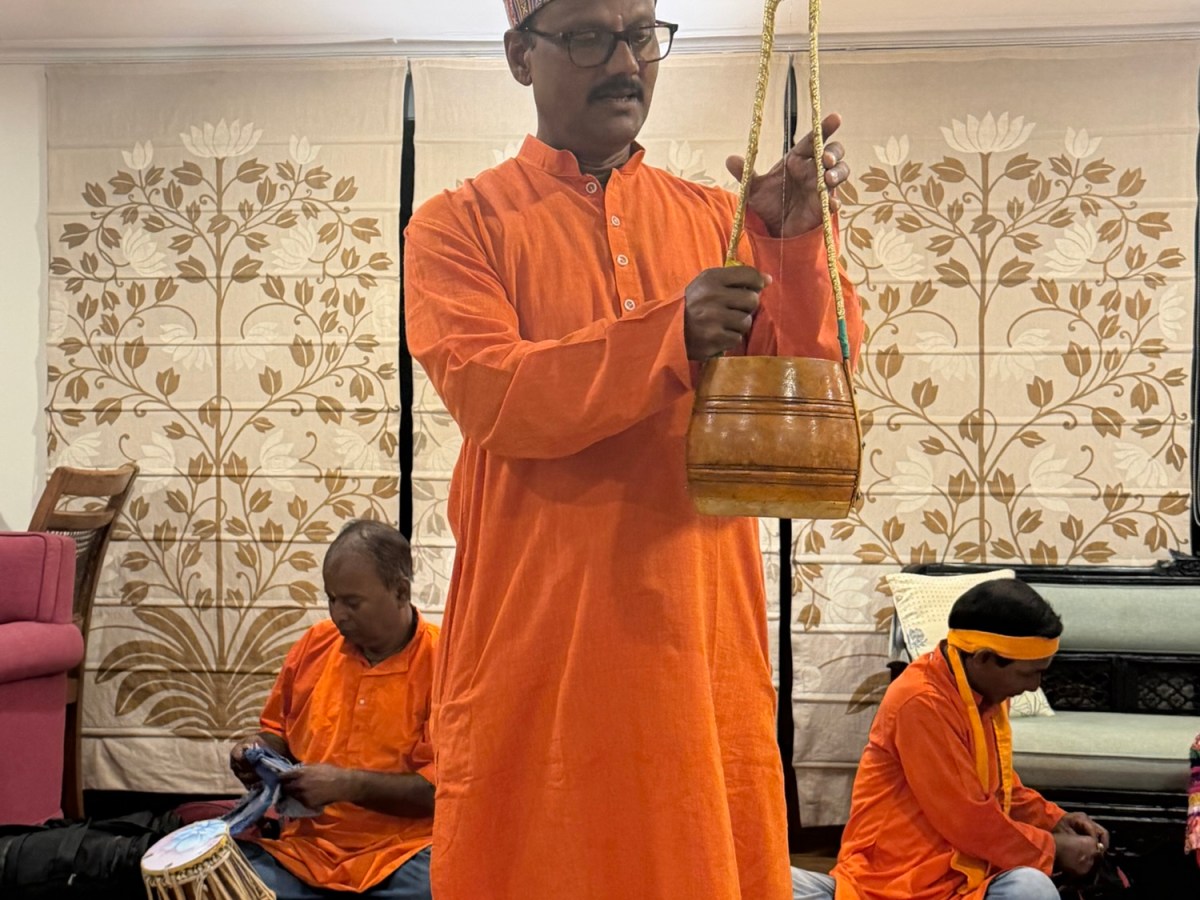
Baul Music
We were introduced to a fascinating group of Bengali Musicians who came to play for us with a number of instruments I had never seen before.There were tablas and flutes and a type of harpsichord but also two others instruments which were strummed. The single string one is the ektara and the other is a double string one called the Khamak. These minstrels from Bengal, blend elements of Sufism, Vaishnava,…
Keep reading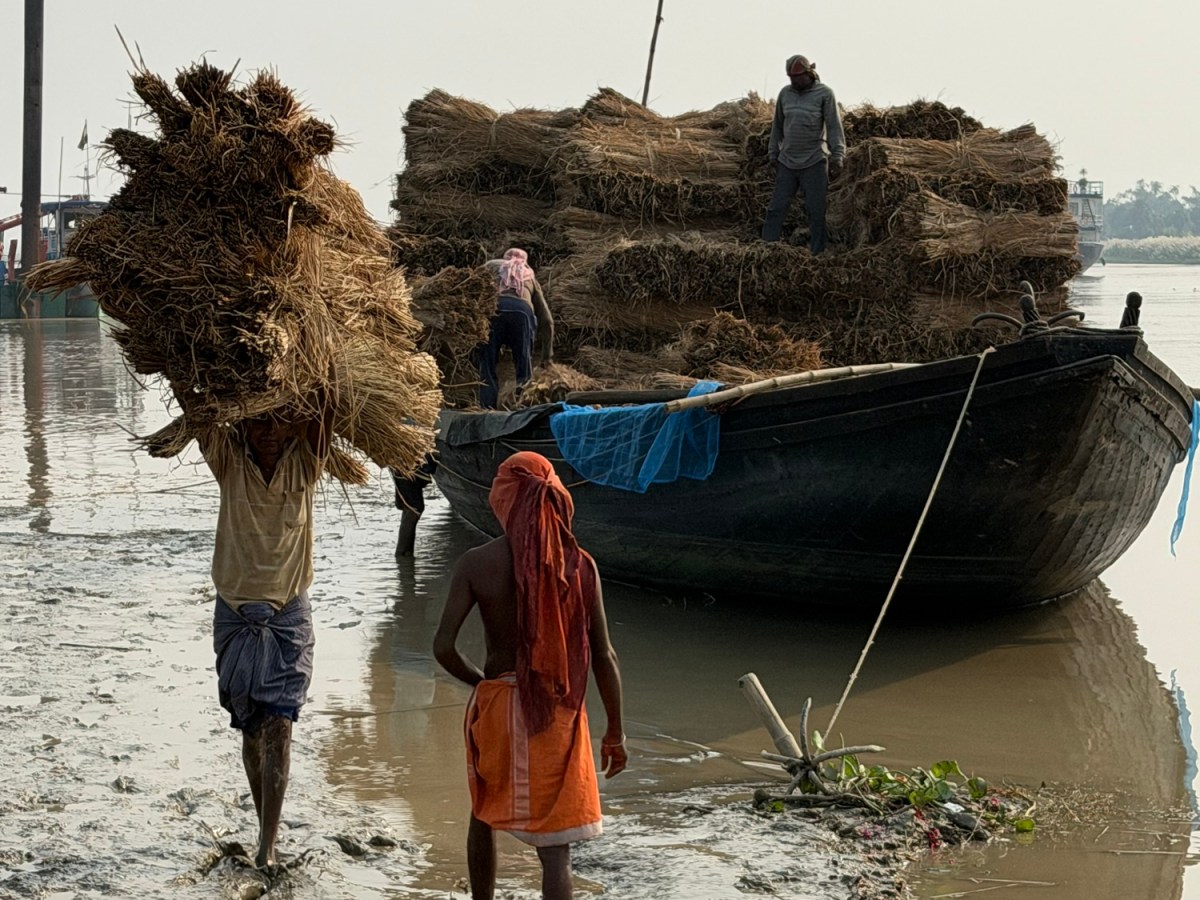
Life by the river.
A walk through squash and aubergine plantations, turmeric and corn fields and rice paddies. A vibrant green punctuated by yellow and purple flowers stretching out before us. On our way to some tombs we come up to a main road. People waiting under a banyan tree’s shade. By the side big jute bags of wheat, rice, dal. This is a free government service called the Food Security Project. Our guide…
Keep reading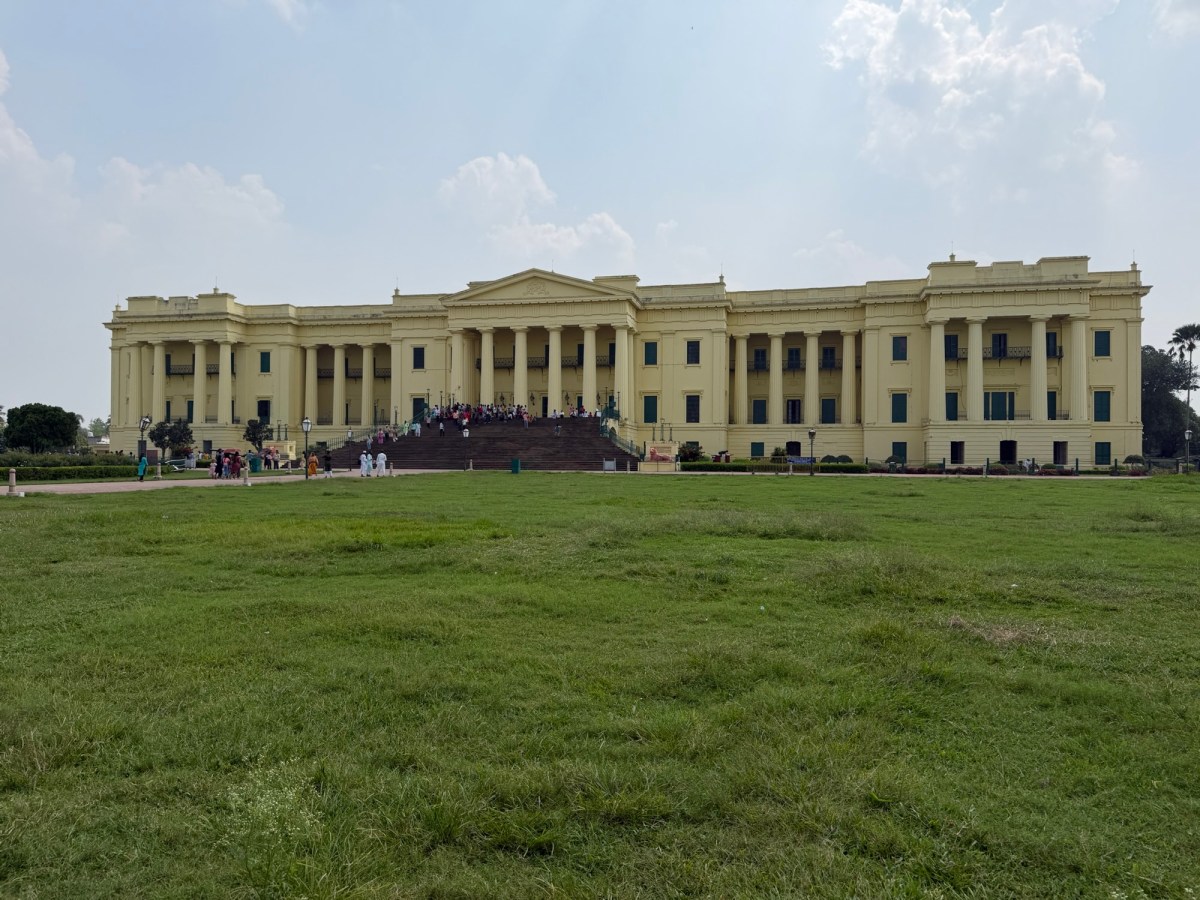
A greater Bengal
It covered a vast area which consisted of present day West Bengal, Bihar, Odisha and Bangladesh. Murshidabad was a revenue capital of the 18th century named after a skilled nawab Murshid Quli Khan who reformed the administrative system and increased the collection of land revenue. The Hooghly allowed a flourishing trade in jute and cotton. It’s not surprising therefore to see some grand palaces established in this area during this…
Keep readingSomething went wrong. Please refresh the page and/or try again.
Older posts

