

I ask the tour leader why Christmas Island is so renowned for its crabs. How did they get here ? I went looking for an explanation.
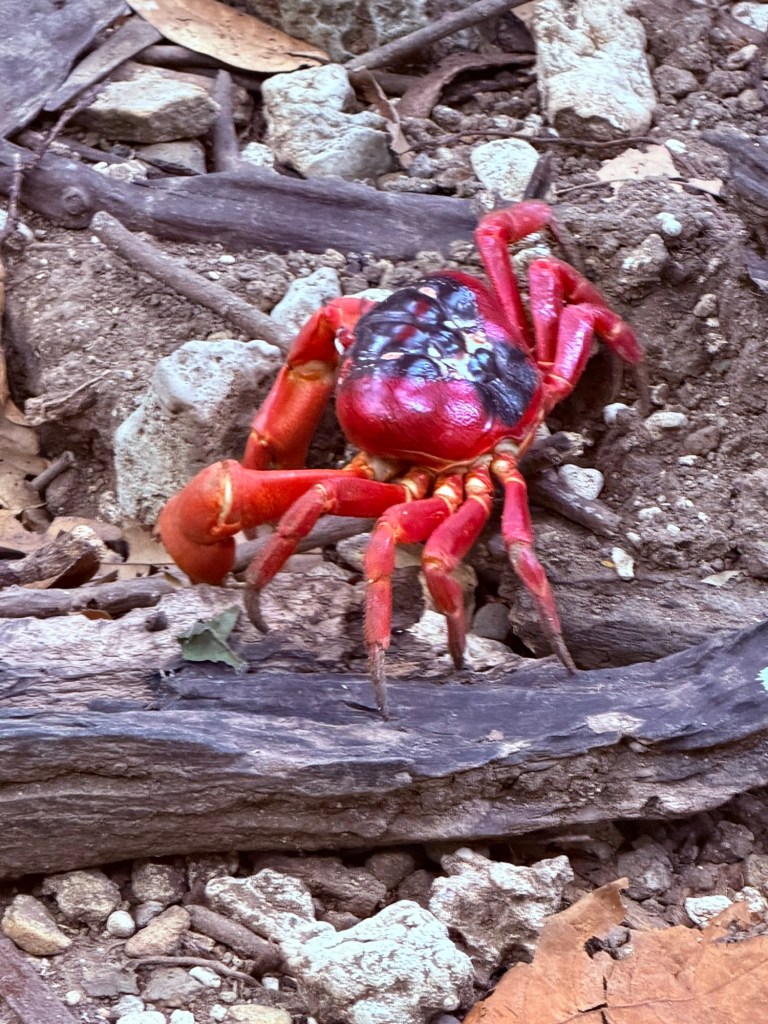
It’s possible that millions of years ago, ancestral marine or intertidal crab species arrived on the isolated volcanic island via ocean currents. Over time, these ancestors adapted to life on land in the moist rainforest interior rather than the ocean, breathing through specialized lungs. Given their total geographic isolation and lack of predators allowed them to diverge genetically into a distinct species. They live on land for 11 months of the year and return to the sea to reproduce.They are very special so they are looked after.
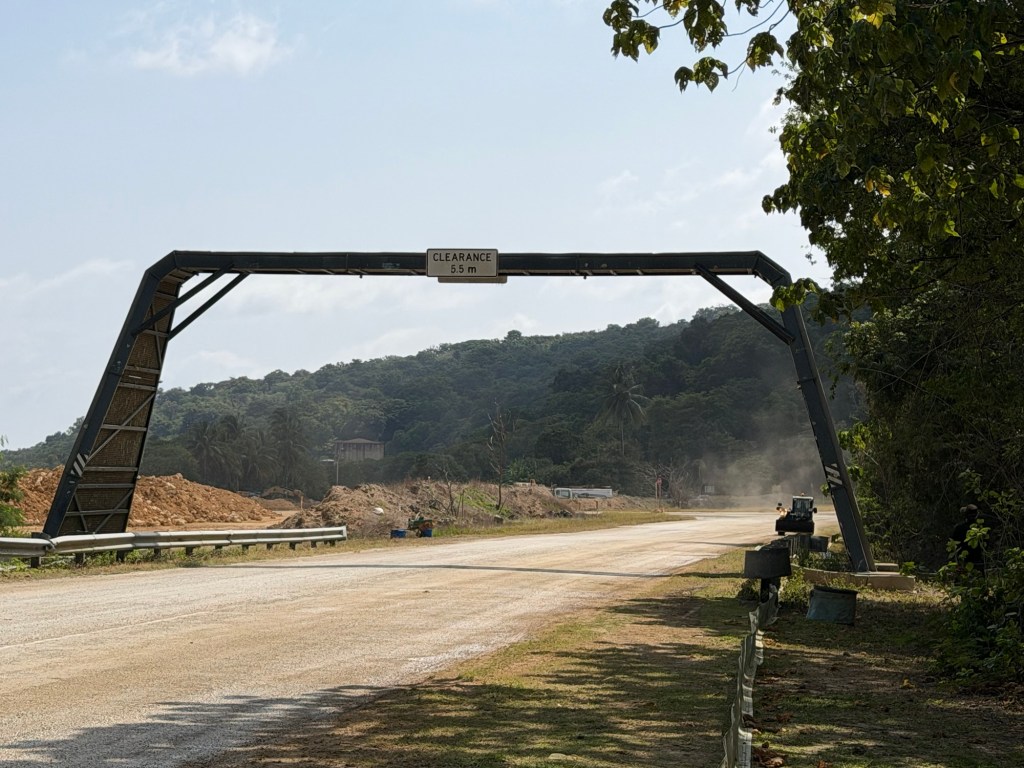
They build bridges for them, design paths and under passes and put up plastic barriers to help them find their way. Roads are closed. Crab reports via radio are given daily. Their spawning dates can be predicted. In short triggered by the rain, the boys head to the shore, the girls follow. They mate in burrows, and the girls can produce 100,000 eggs. At the right time the girls do a shake dance and release the eggs into the sea. The baby crabs march out after 21 days en masse back to the forest. That’s the big crab migration. But that’s usually in January so we were not expecting to see them easily.
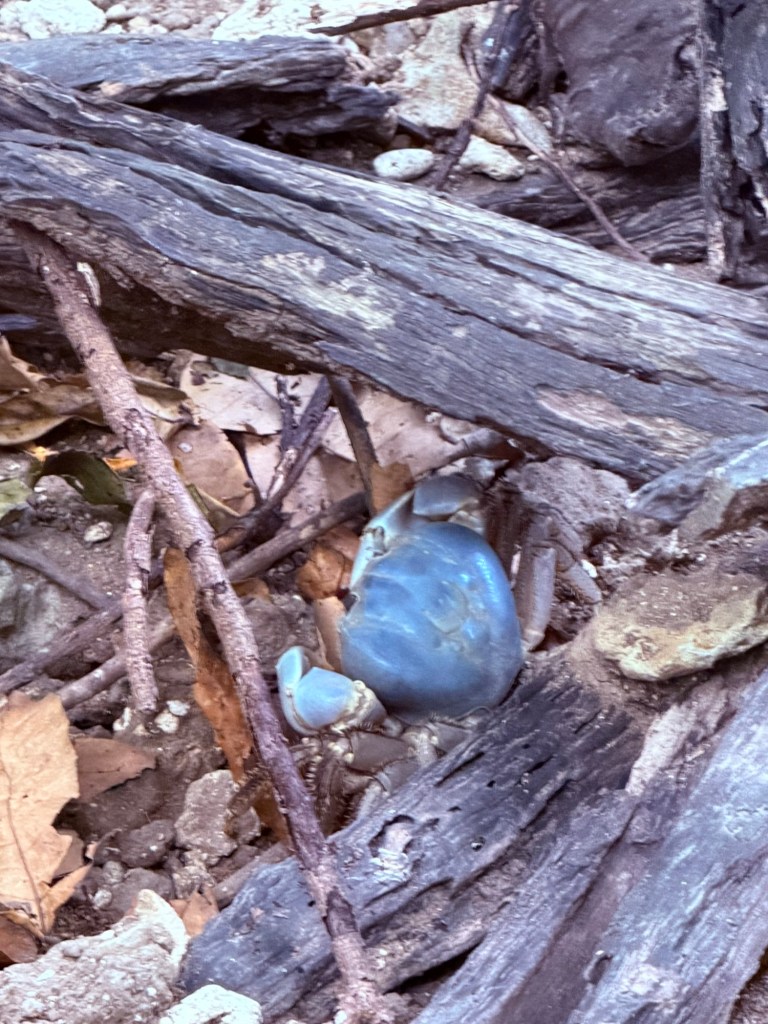
We wandered to a spring near Dales waterfalls and suddenly they were everywhere in different size and colours. Robber crabs ( literal robbers they are) blue crabs, red ones…
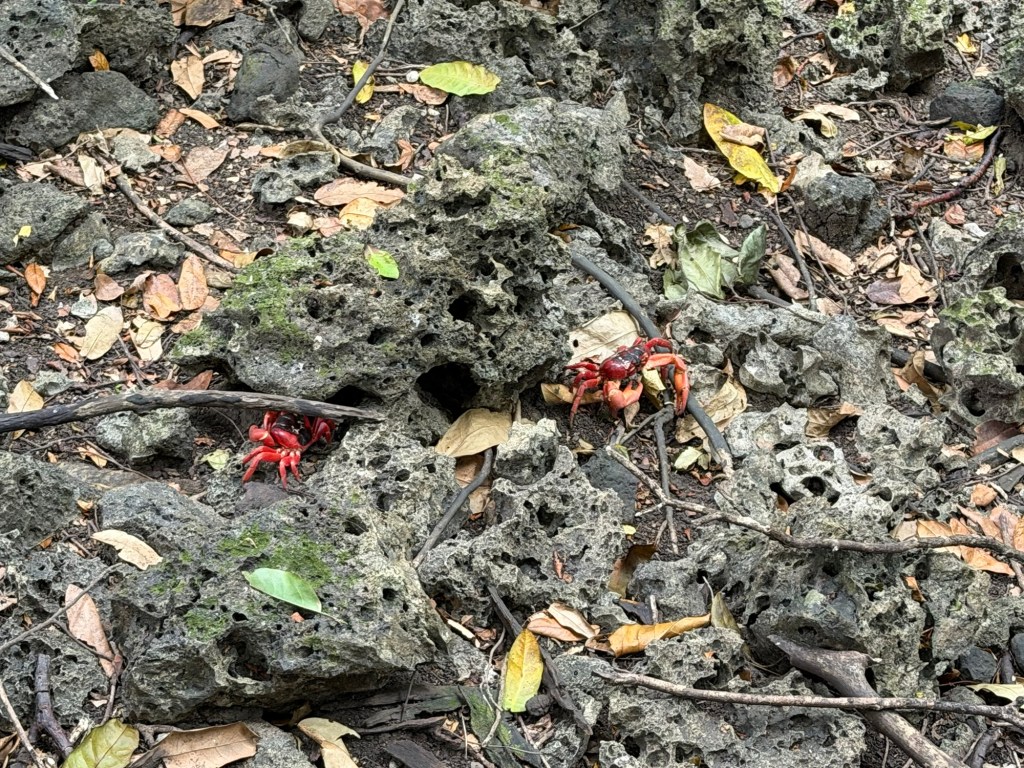
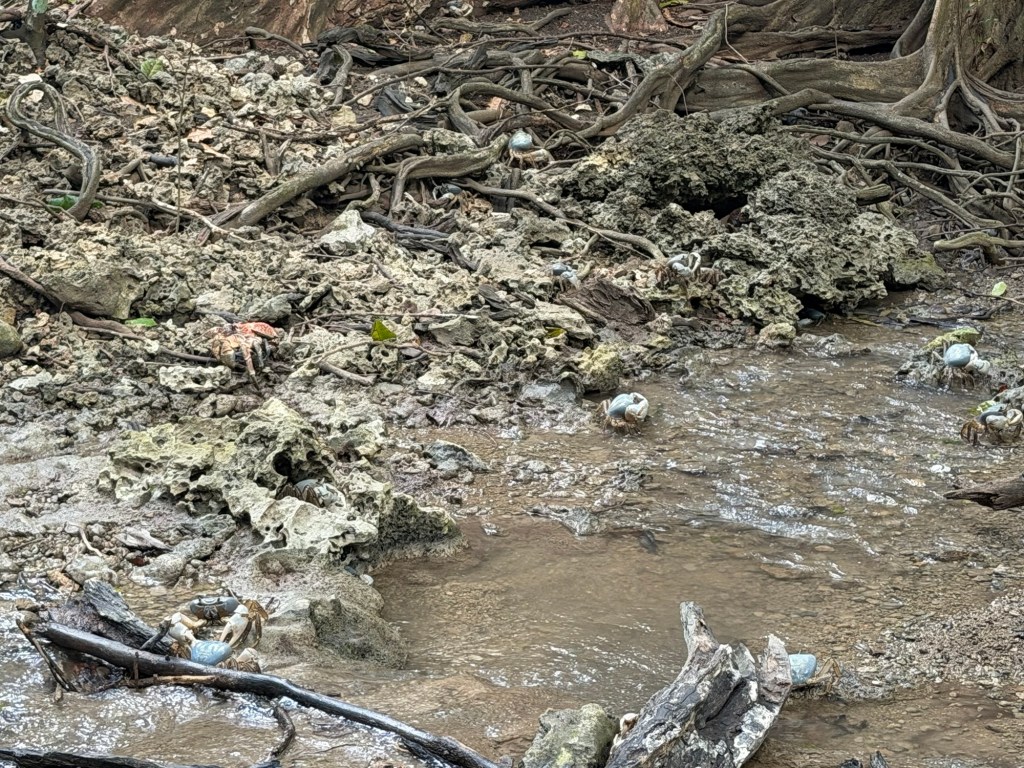
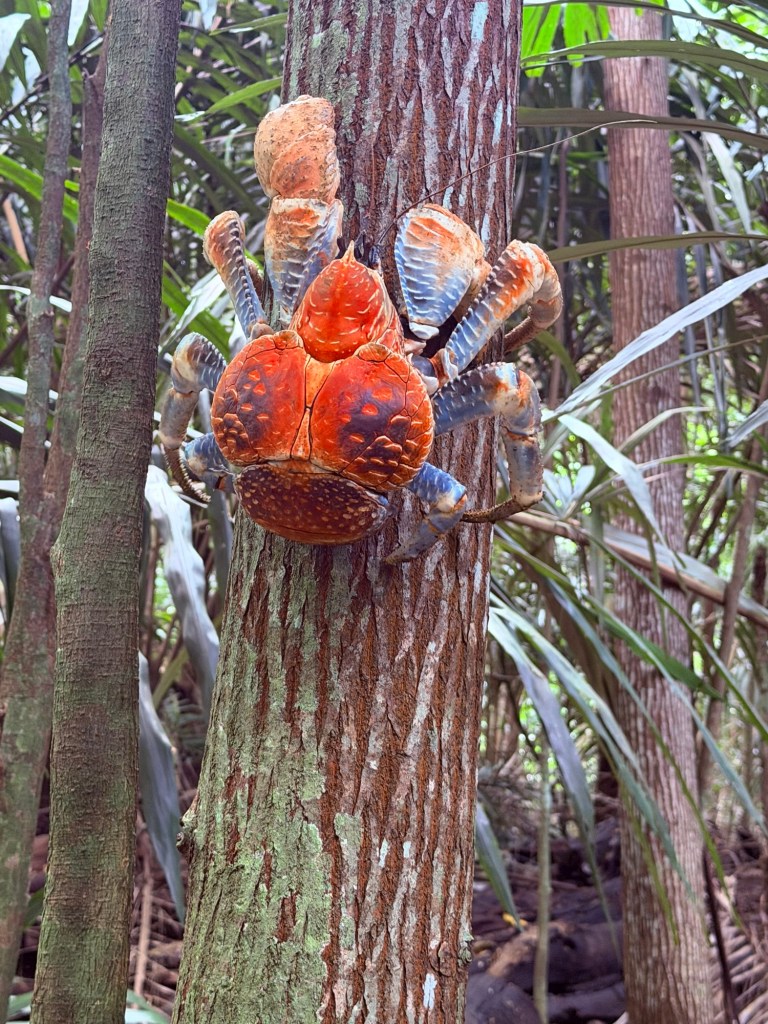
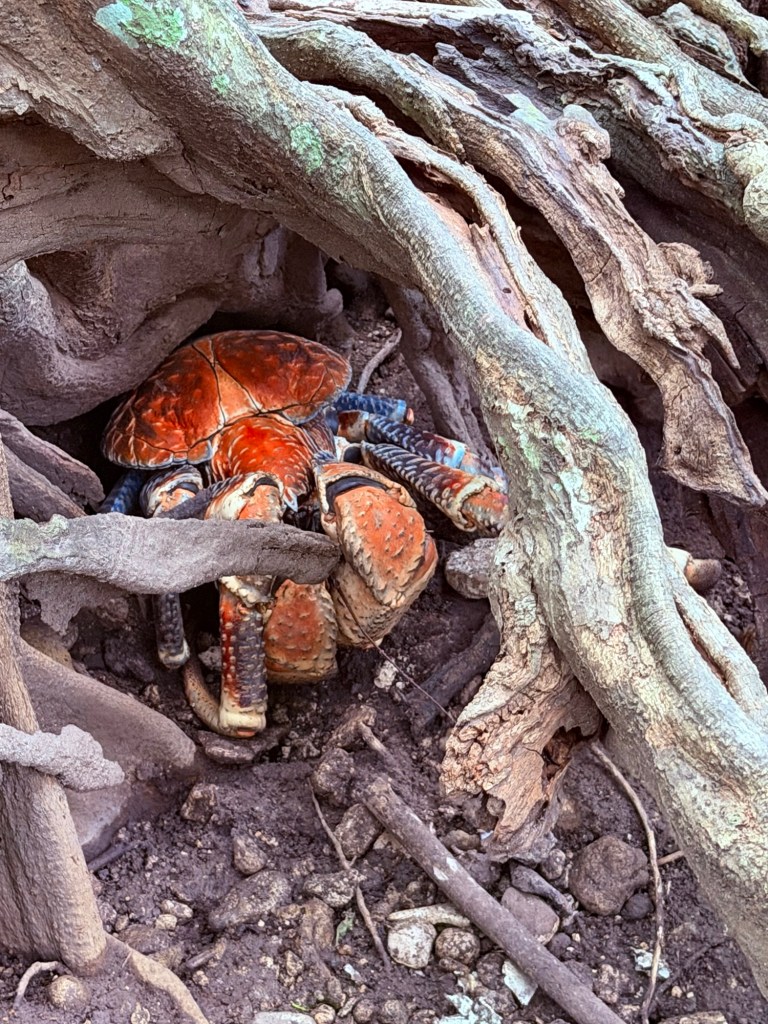
A kaleidoscope of crazy crabs. Now looking for the elusive purple one!


Leave a Reply