

It covered a vast area which consisted of present day West Bengal, Bihar, Odisha and Bangladesh. Murshidabad was a revenue capital of the 18th century named after a skilled nawab Murshid Quli Khan who reformed the administrative system and increased the collection of land revenue.
The Hooghly allowed a flourishing trade in jute and cotton.
It’s not surprising therefore to see some grand palaces established in this area during this time.
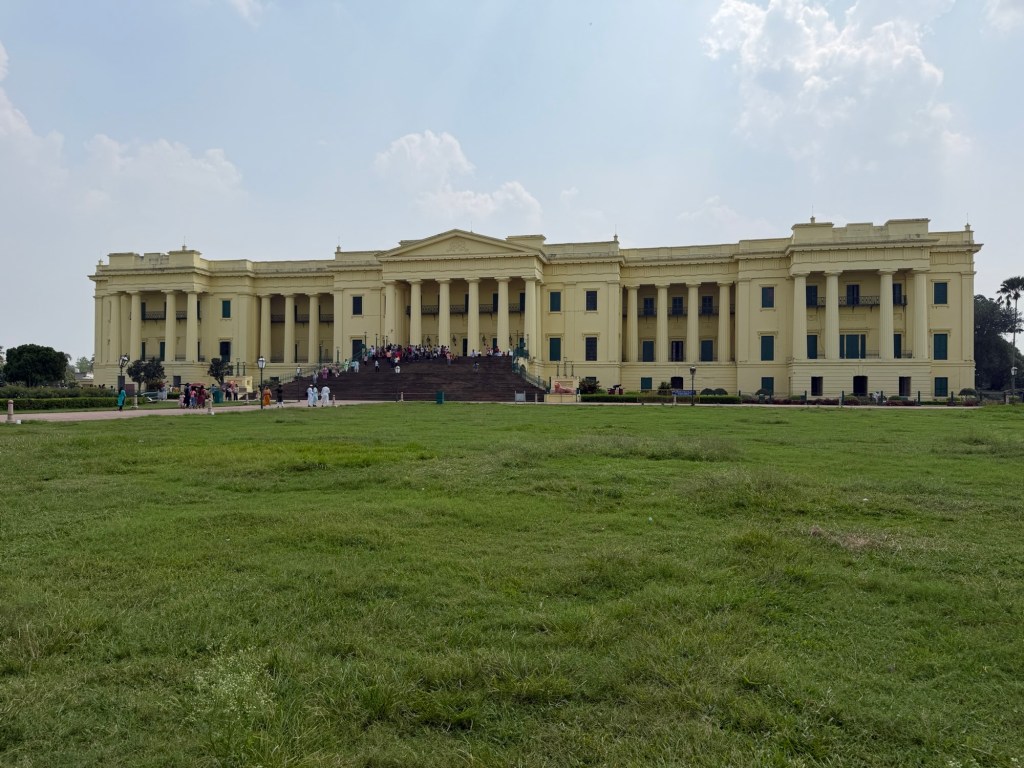
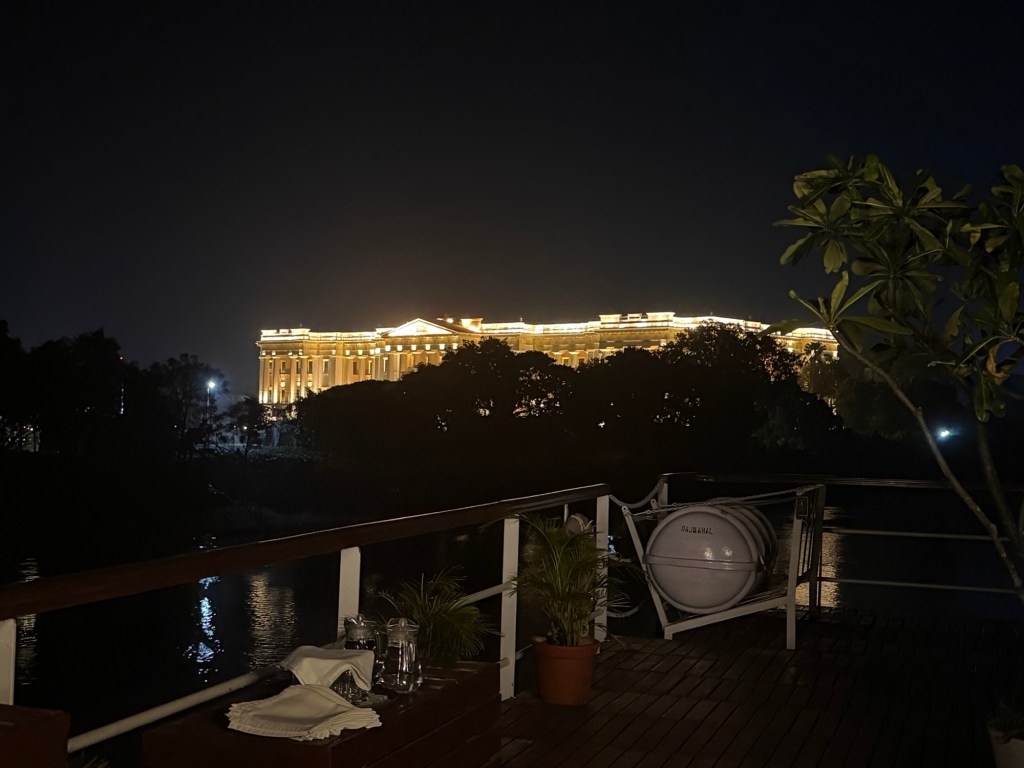
Hazarduari Palace was one example. Set in magnificent gardens just off the river it is now a museum showing portraits of nawabs and rulers of the time, ivory palanquins, enormous dining tables, chandeliers and porcelain of the time.
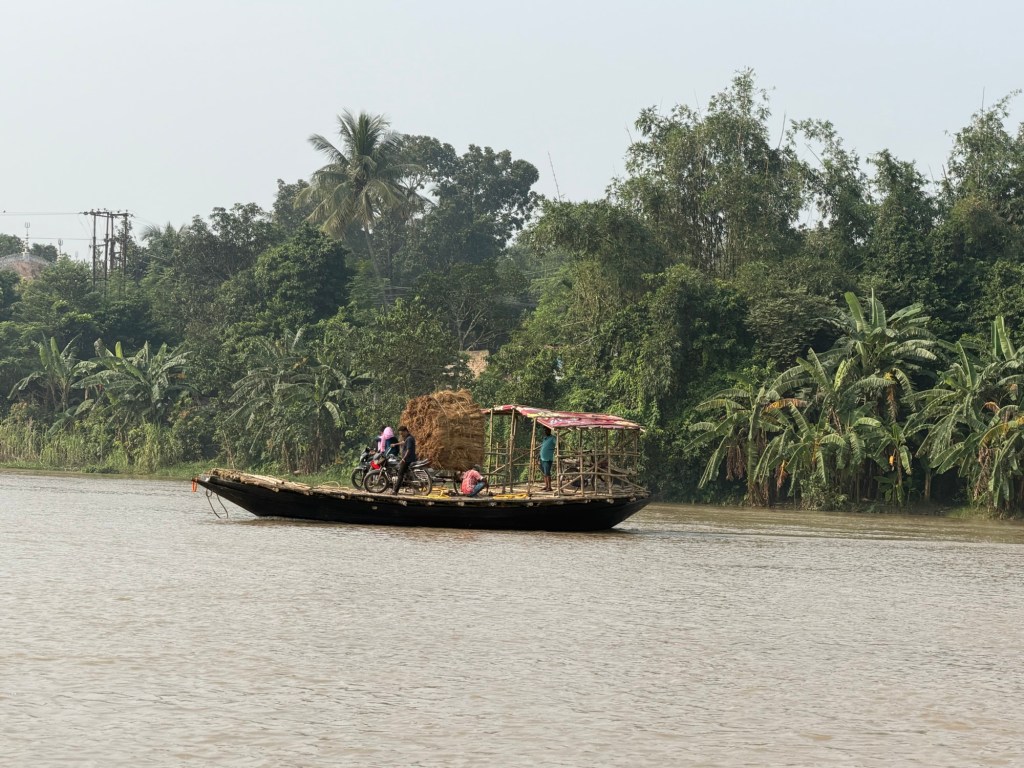
As we travelled down the river it was clearly more densely inhabited, children screaming out to us as they saw the boat pass. I smelt wood fire in the air. Many fishing boats and ferry crossings along the way.
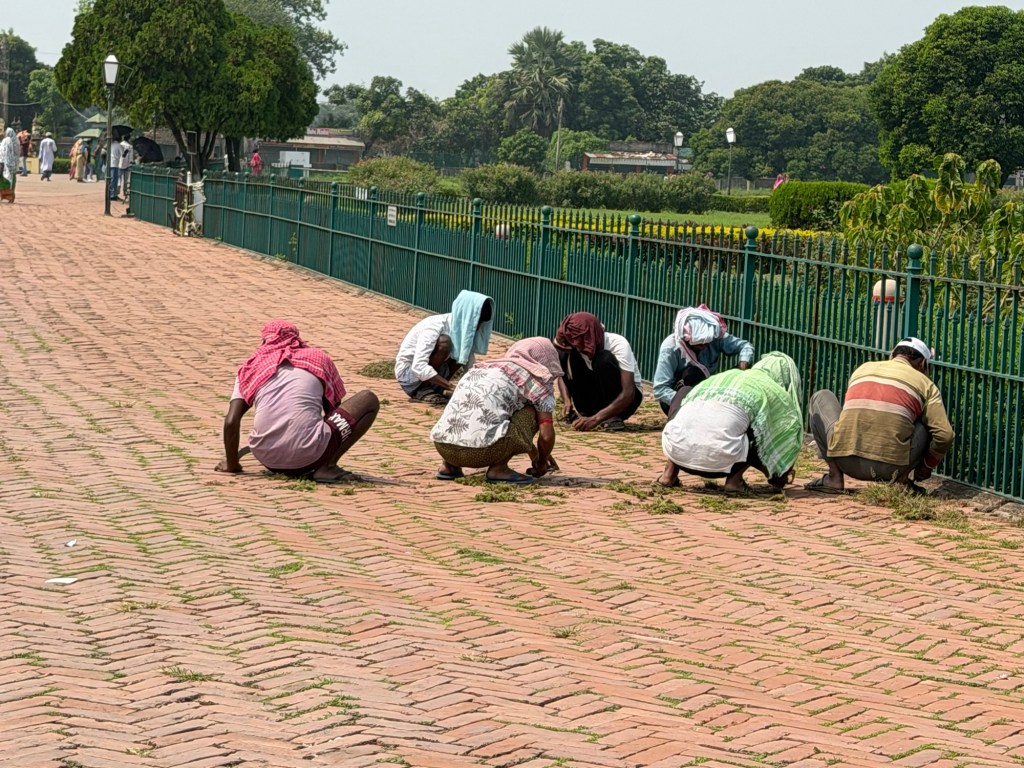
In Hazarduari it was the first time we were seeing big groups of Indian visitors to a site.
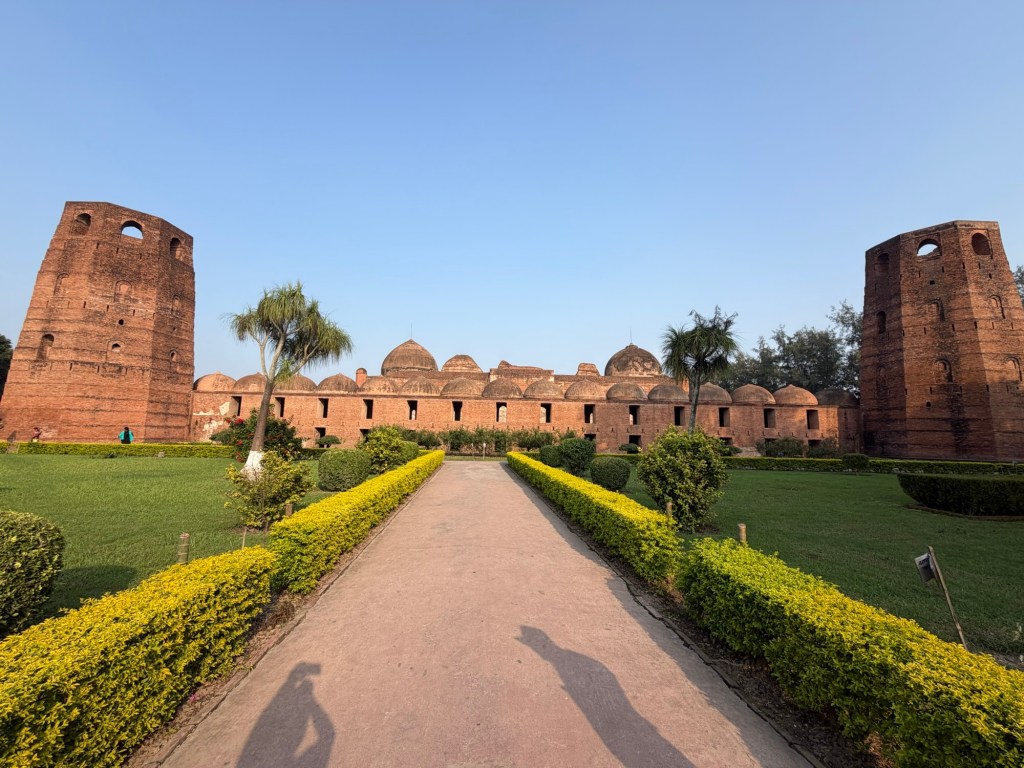
Murshid Qali Khan also built a mosque in the area which actually bears his tomb under some steps. It was built quickly between 1722 and 1723 with recycled bricks.
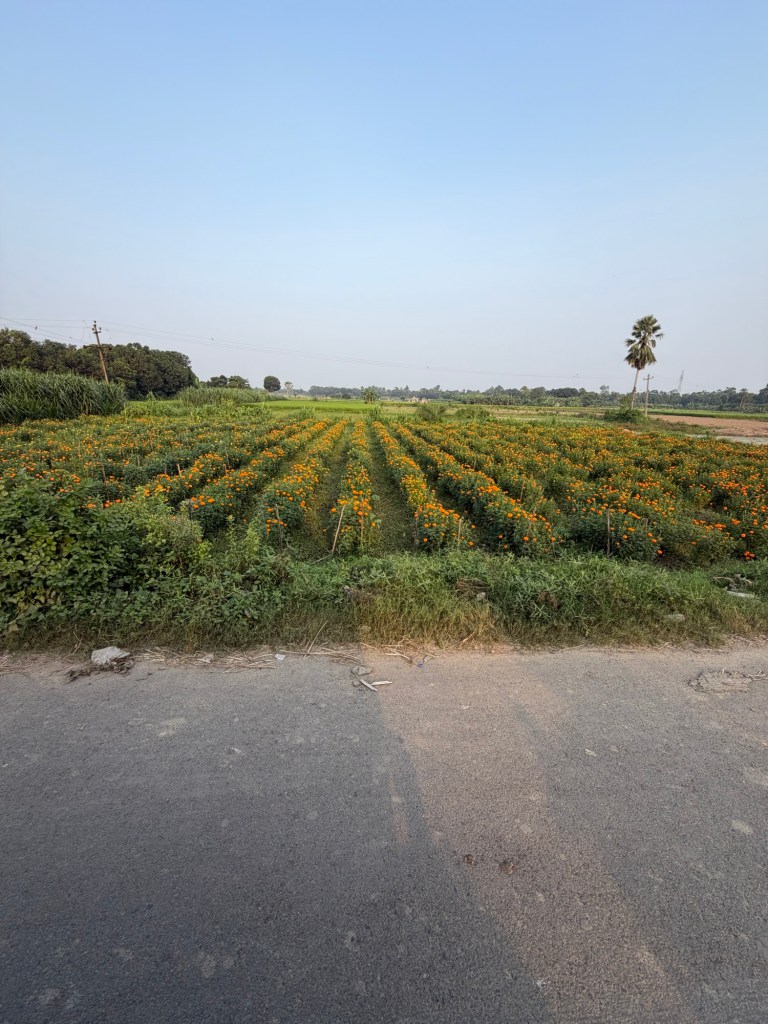
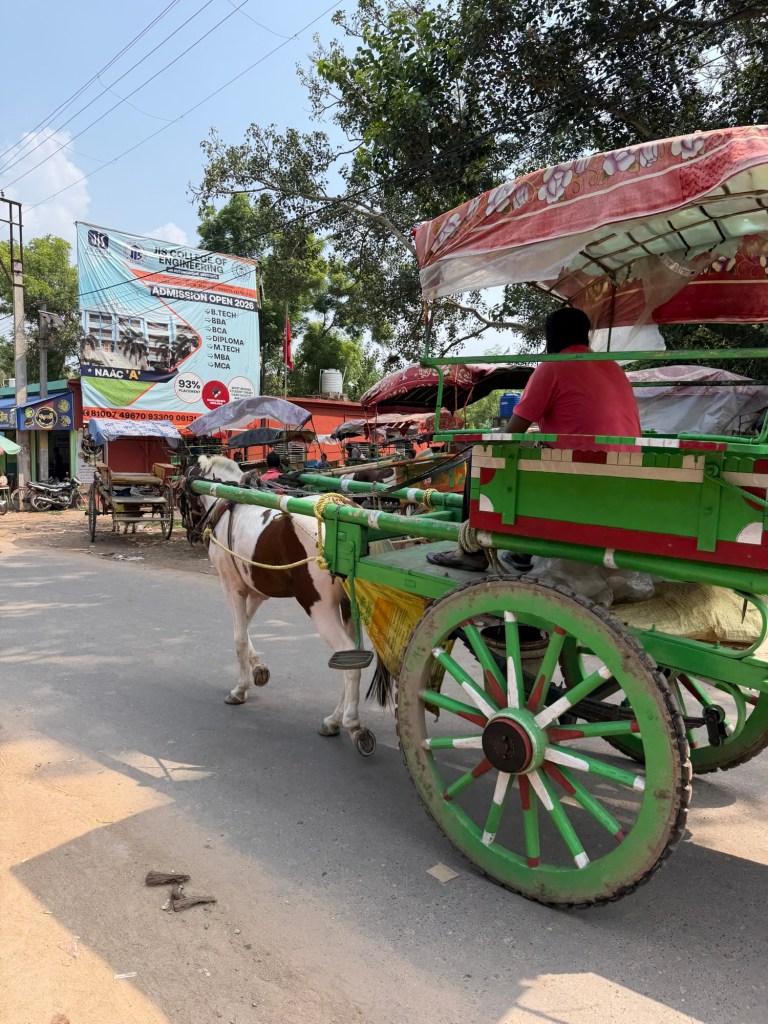
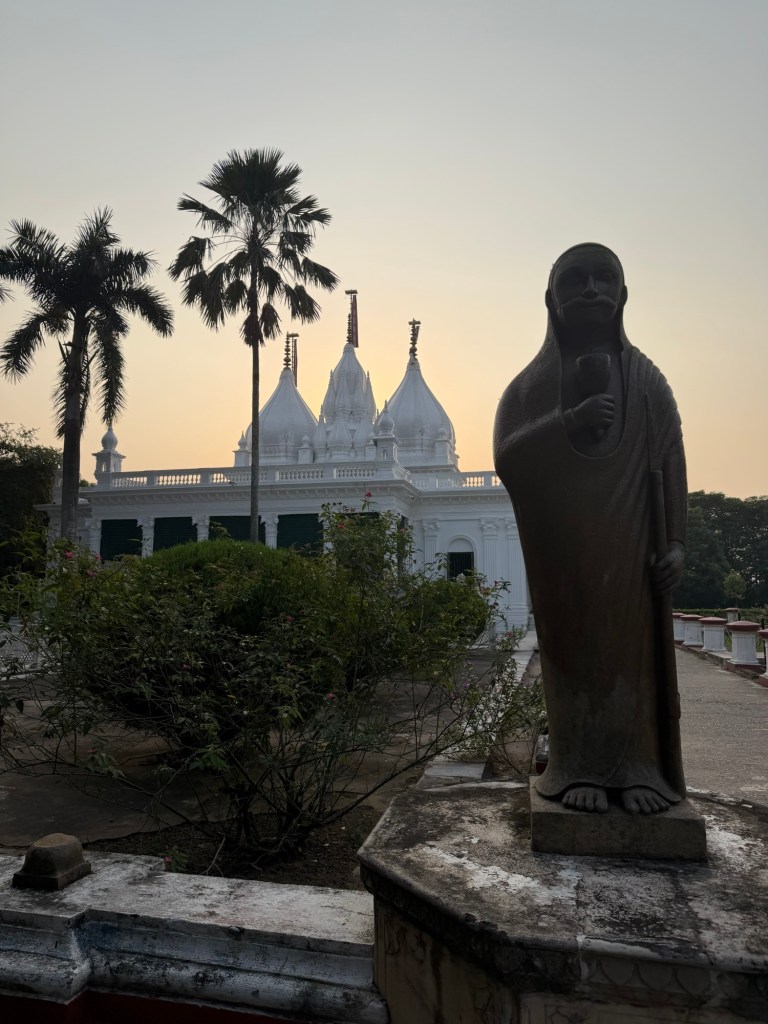
We travelled through the town, passing fields of marigolds and turmeric to reach Kotgola Palace and a Jain temple. Many horse drawn carts here.
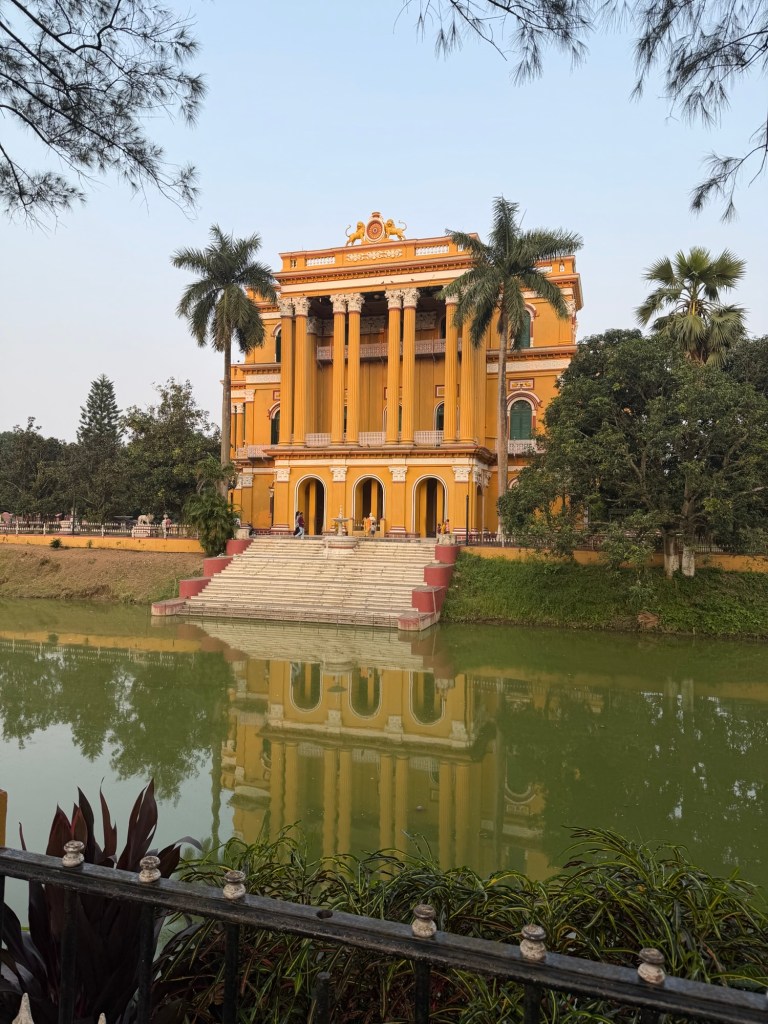
Complete with an enormous billiard table and the biggest tallest bed with a set of stairs to help you climb into it.
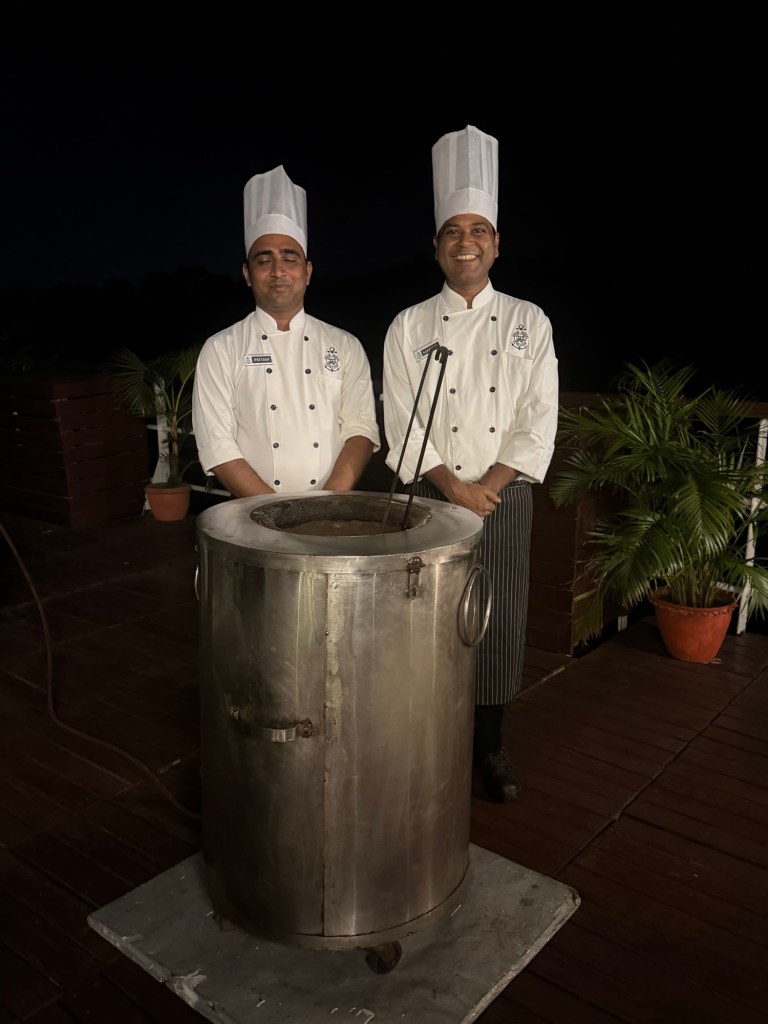
An Indian Rice Pudding with cardamom to complete the meal. Delicious.


Leave a comment