

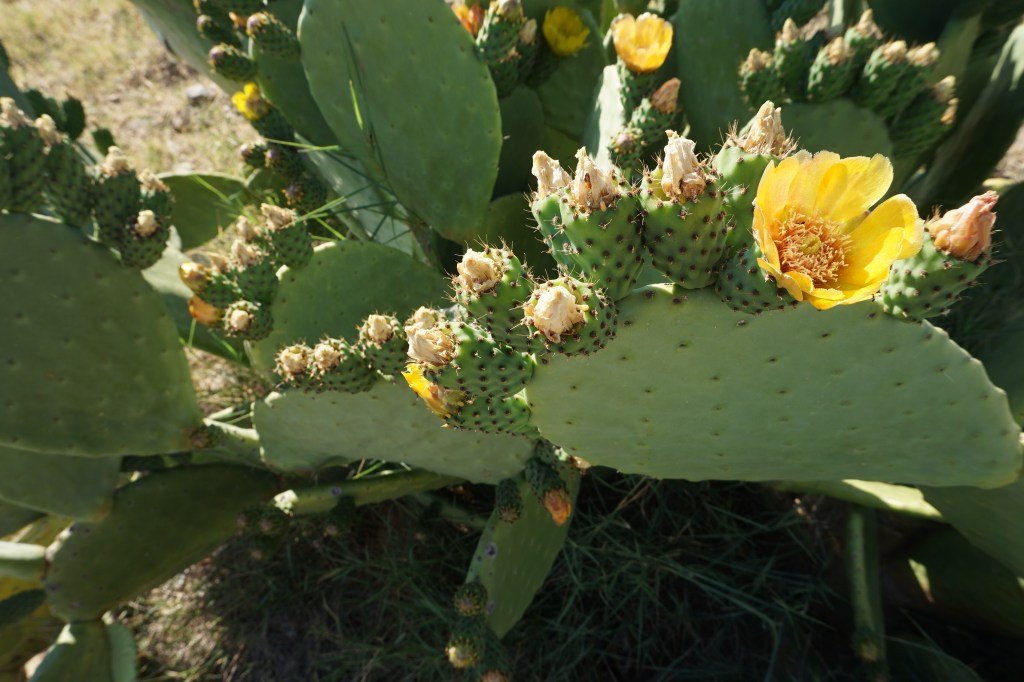
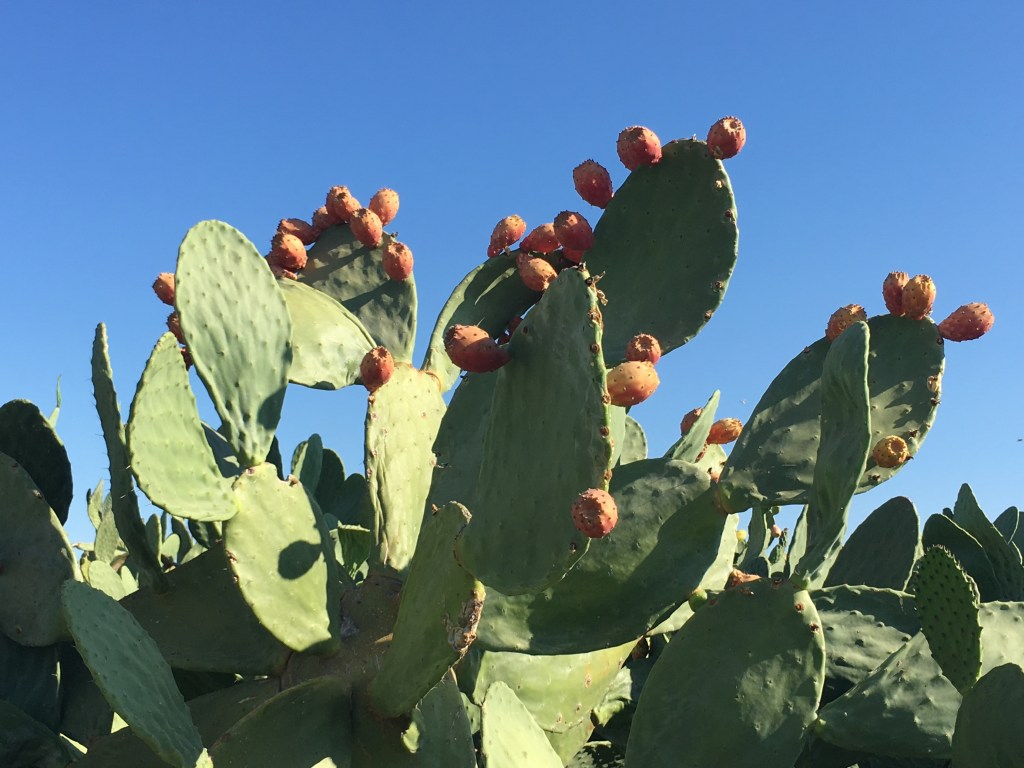
We eat them cold – sometimes for breakfast – yes, its an odd and dangerous choice, but Cypriots love them.
Here in Australia they are rarely seen in the shops, that is why I got so excited when I saw them at my Greek Greengrocer. I will peel them extra carefully and present them to my guests for brunch.
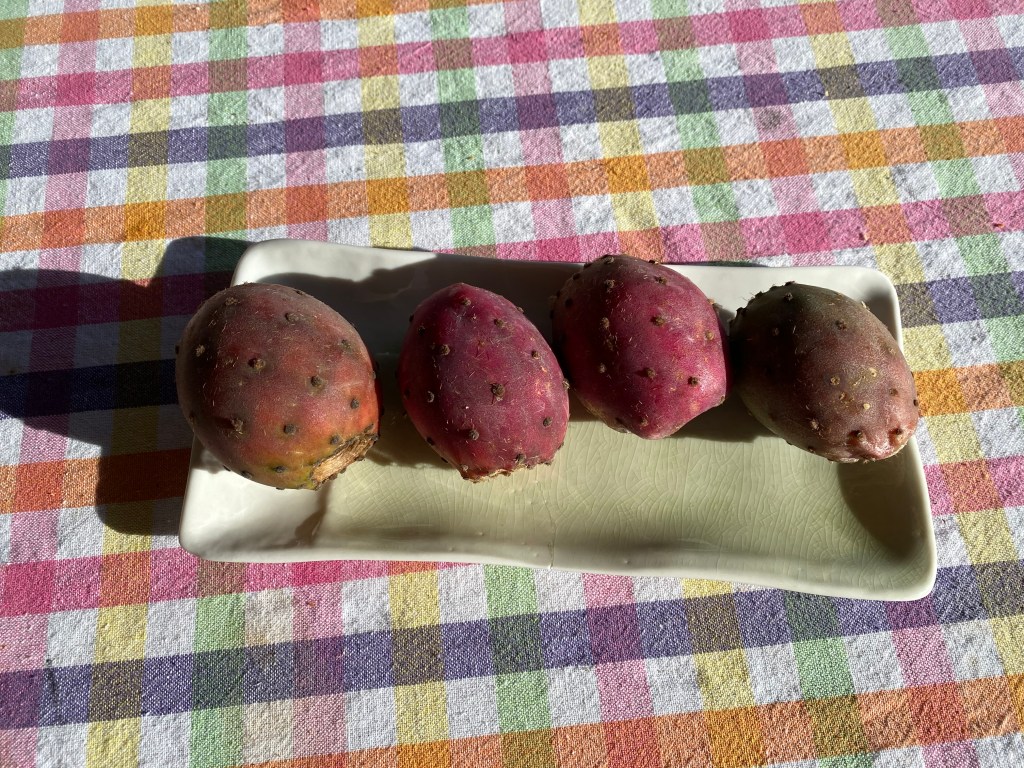
Last time we had a prickly pear party we were picking out the sharp and painful, almost invisible hairs, on the tongue of a dear friend with a pair of tweezers. I am not sure I have ever been forgiven. We will never forget it. They hurt.
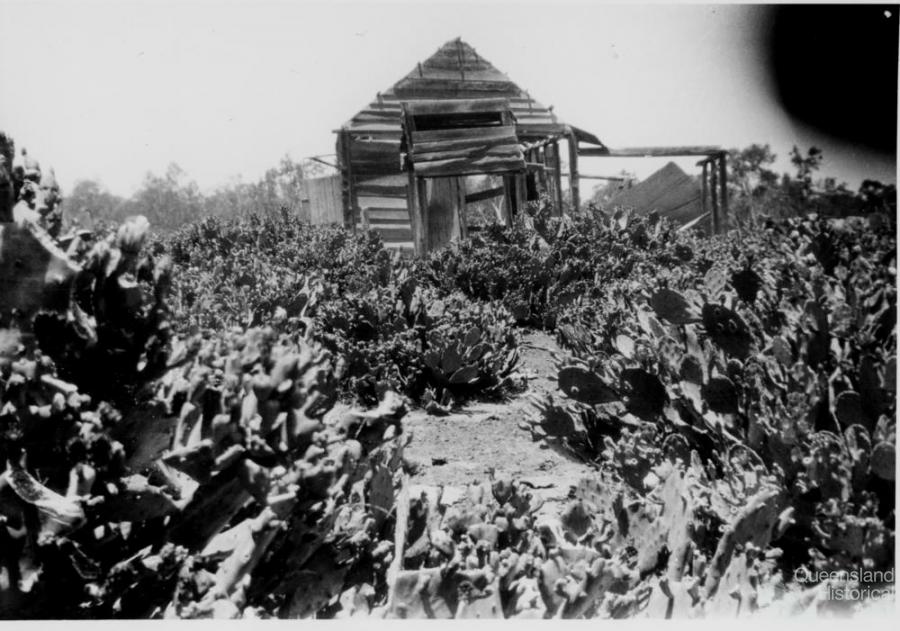

In Australia they are reviled, a bit like cane toads. Both introduced into the country for a reason – both ended up spreading like wild fire. Prickly pear (opuntia) was brought into the country in 1788 to create a cochineal industry. Cochineal is an insect that feeds on cacti from which a red dye is produced which was used in army coats. The introduction of prickly pears into Queensland and New South Wales in the 1920’s ended up with an infestation so dense it killed grasses and native plants and restricted the movement of people and animals. It was a prickly pear jungle out there and people were pulling their hair out and the prickly pear ones too.
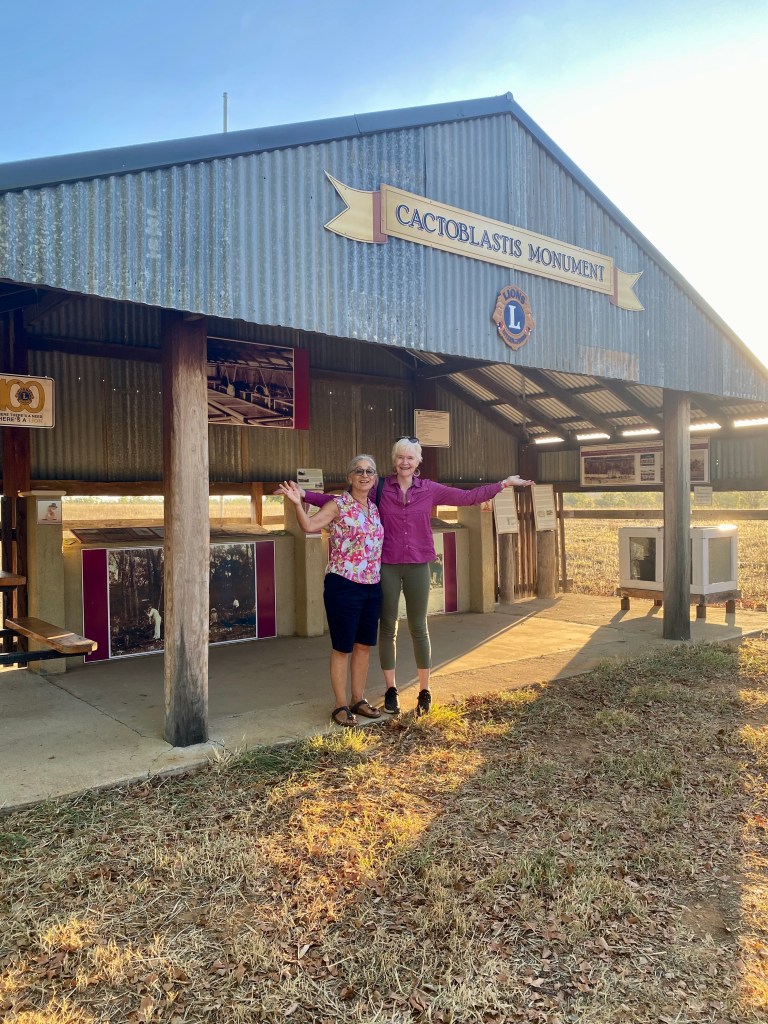
Cactoblastis cactorum moths were released into Australia in 1926 to fight it. It is thought to be one of the world’s best examples of biological weed control. Even though it was successful, prickly pear is still a problem in parts of Australia. Chinchilla and other towns nearby experienced the full force of the problem but also the solution – so they built a monument to the Cactoblastis – deservedly so !
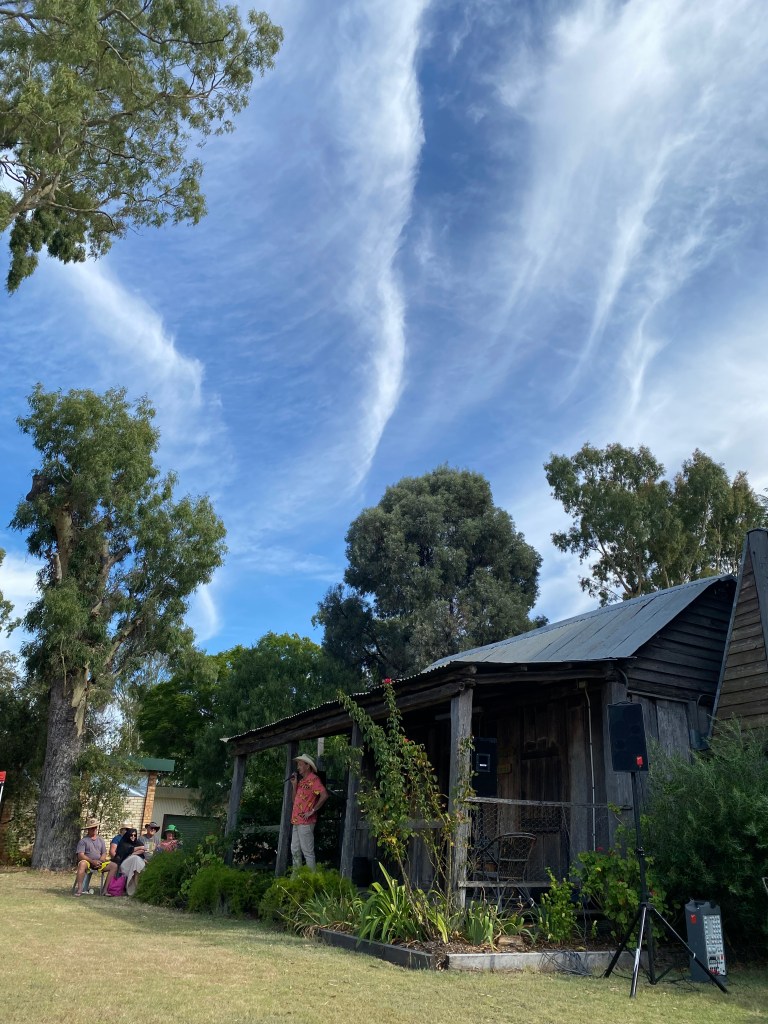
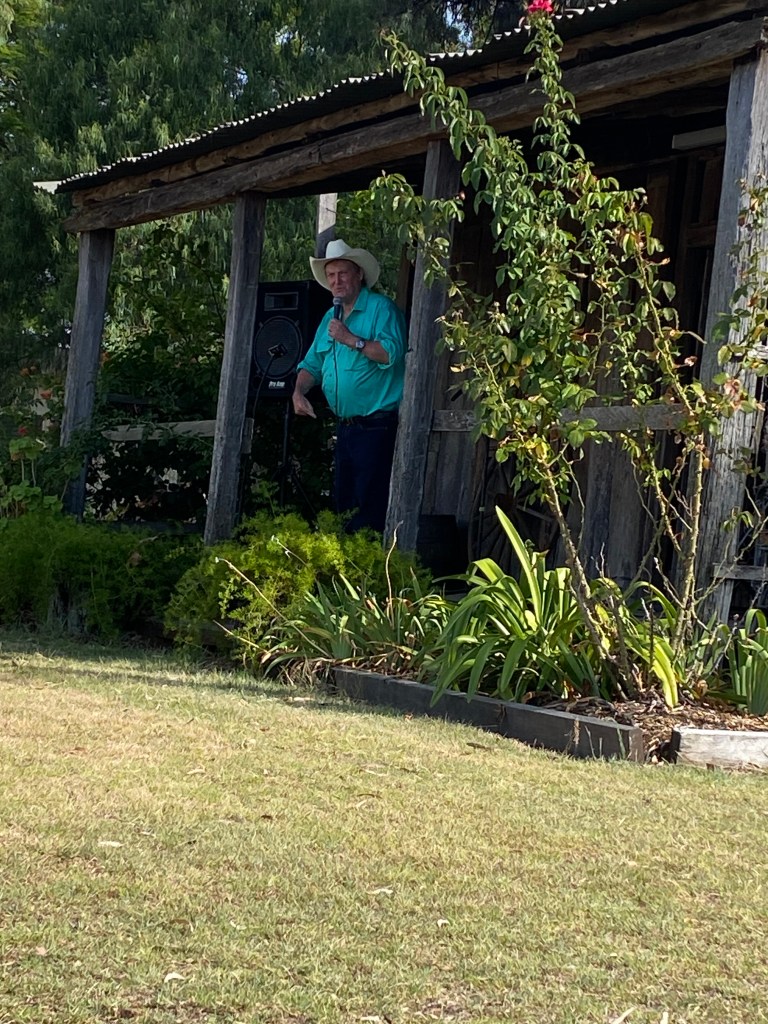
Onto our Poets and those male nether regions- We heard some of the best Bush Poets in the country – in the tradition of Banjo Paterson who wrote Waltzing Matilda and for our breakfast in Chinchilla on our last day – (not a prickly pear in sight, think more eggs and bacon and watermelon,) we were treated to a wonderful smorgasbord of poetry from three bush poets in the entrance to the Wongongera Cottage on the grounds of the Historical Museum. The cottage was built in the 1880’s of ironbark and Cypress pine and a rare timber called budgeroo which can grow to 500 years old. We listened to Bill Kearns, Gary Fogarty and Mick Martin and we marvelled at their ability to remember reams and reams of poetry, to add humour and an Aussie twist to each one. We laughed, we commiserated, we understood the plight of farmers, the joys and sorrows of living in the bush. We giggled at their cheeky spirit.

Entrapment
So there you have it – Prickly Pears and Poets – you didn’t think they could be connected but strangely they were – pants and all.


 Mezze Moments
Leave a reply to Gill Booysen Cancel reply