

A short hop to this island named by Phillip Parker King after the Chancellor of the Exchequer. We walked up the beach to find a dry salt pan and a melaleuca forest. A DC 3 crashed onto the island and everyone survived.
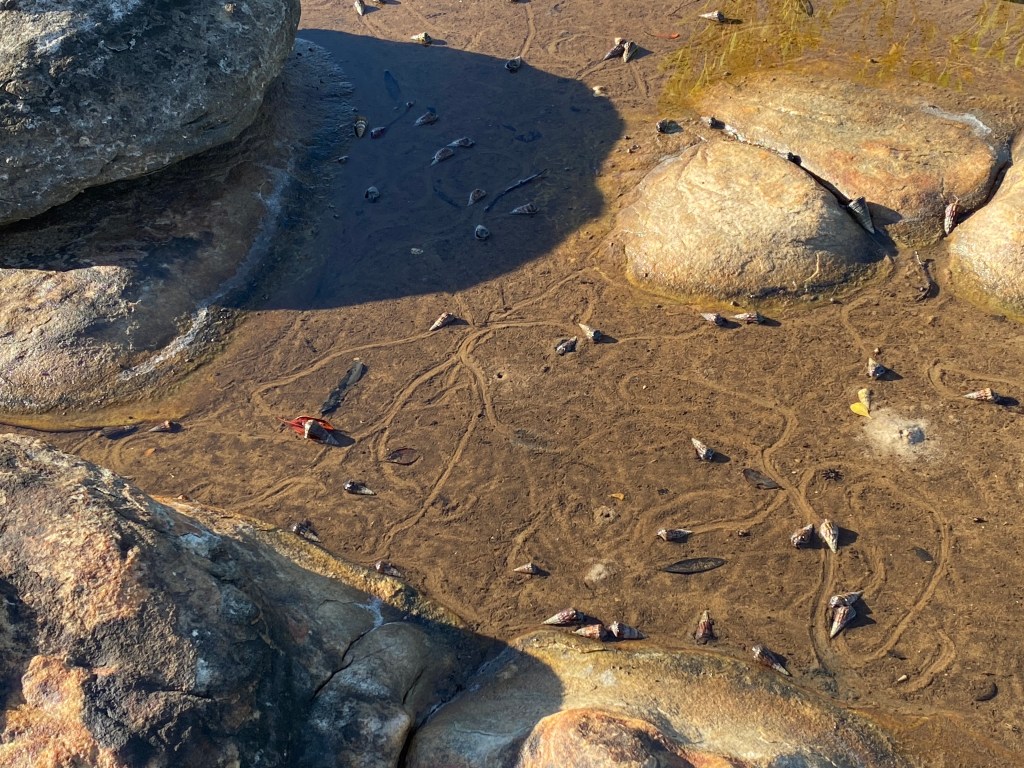
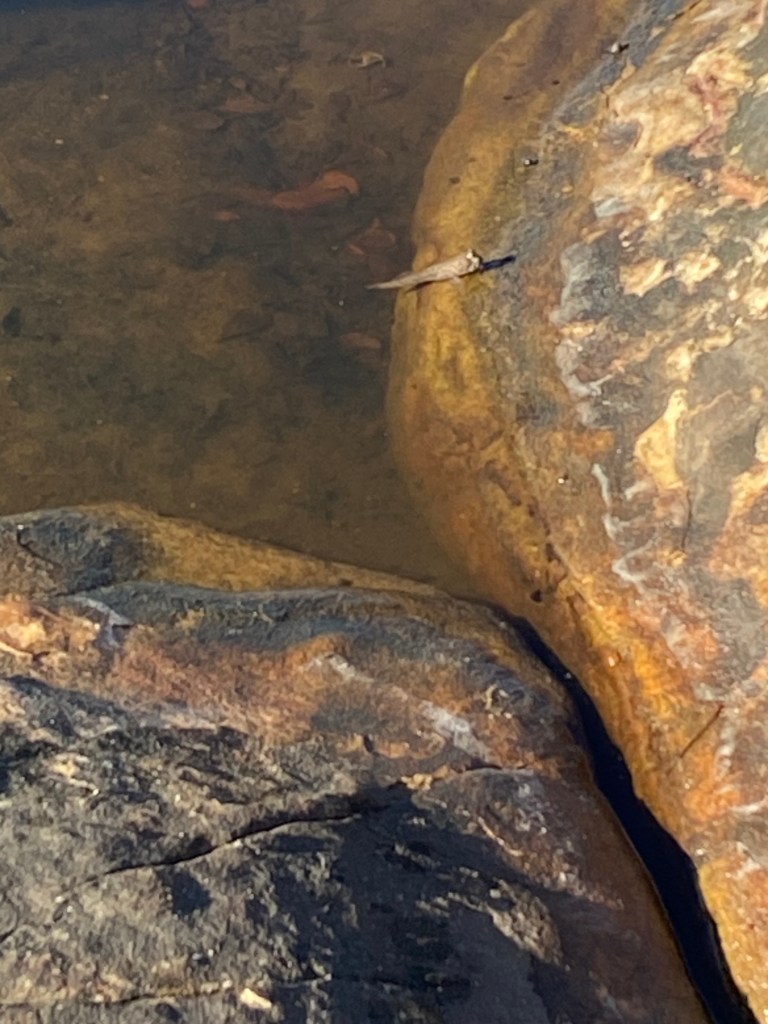
The bird song was strong but they did not grace us with their presence apart from a red capped plover. My find for the day was a mud skipper which I had never seen before on the muddy edges of the salt pan together with hundreds of whelks which left lovely trails in the mud.

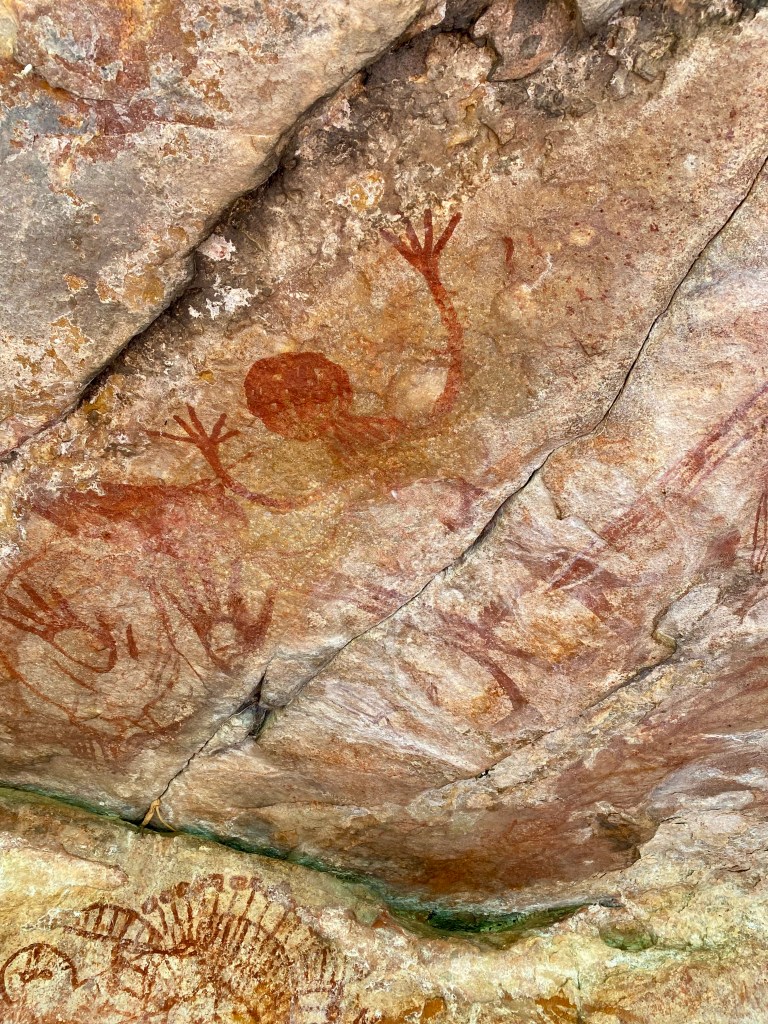
We visited Bigge Island and Jar Island to look at the rock art – its extraordinarily complex so I shall try and summarise it – probably some of the oldest art is the so called Gwion Gwion art which has been dated to about 17000 years ago maybe longer. They also encompass Bradshaws figurines which are probably from the same period. The question is who painted them … here one figure is painted over two others.
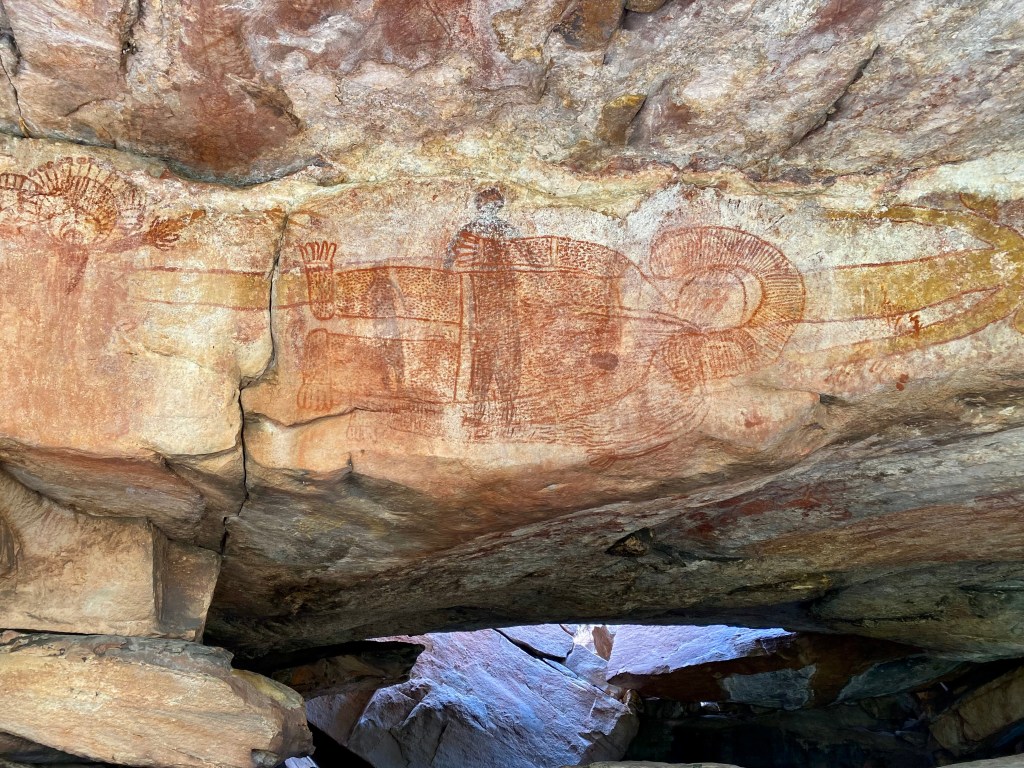
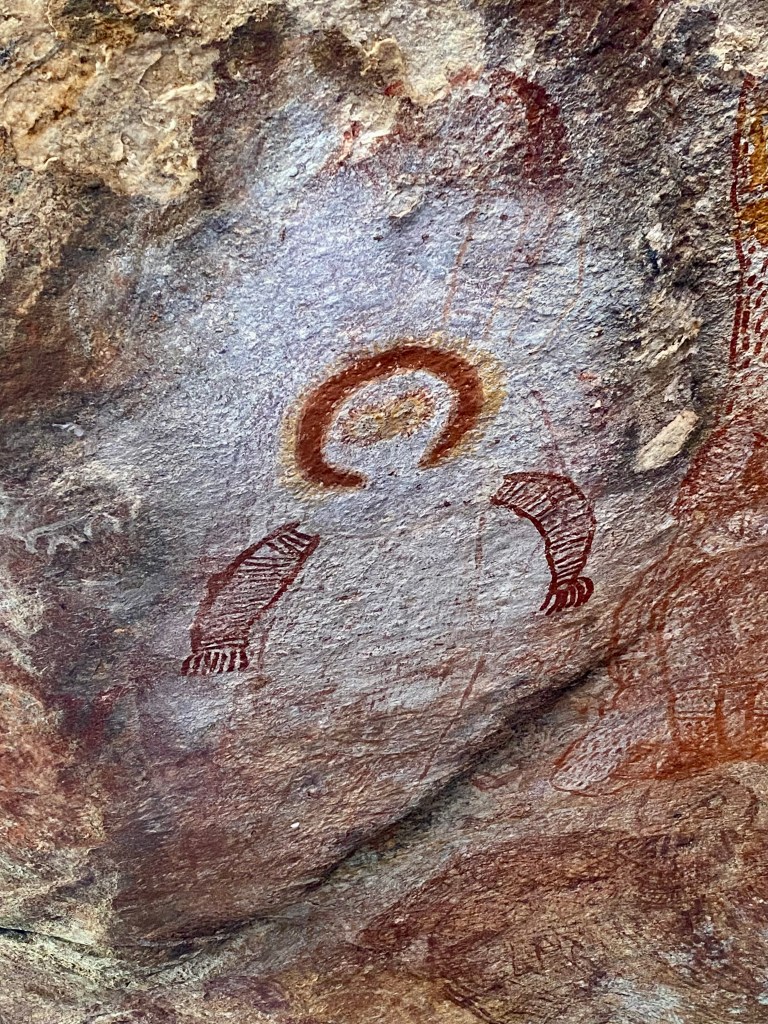
The Wandjina art is more recognisable by Aboriginal groups and they relate to deities with headresses of three main groups – The Warrumbal, the Worrorra and the Ngairrinjin. They have eyes and a nose but no mouth. Perhaps to speak no evil. Might be sumilar to a Greek evil eye warding off the evil spirits.There is also the Aboriginal story that this art was made by a bird whose beak was bleeding and pecked out the art – theories abound.
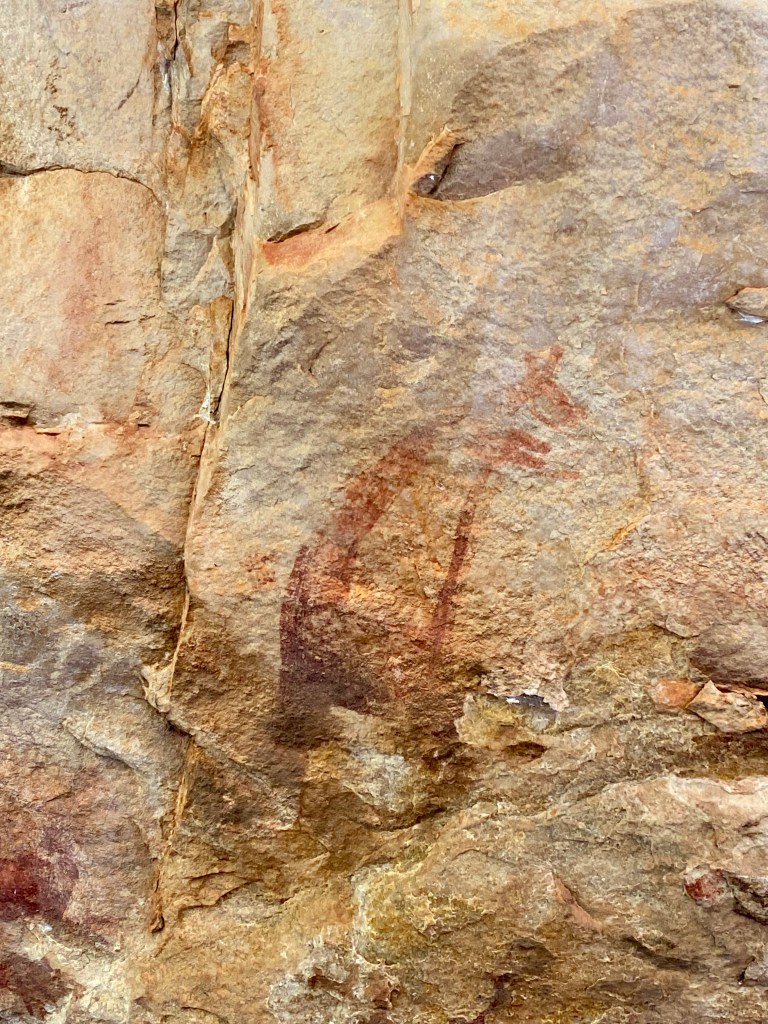

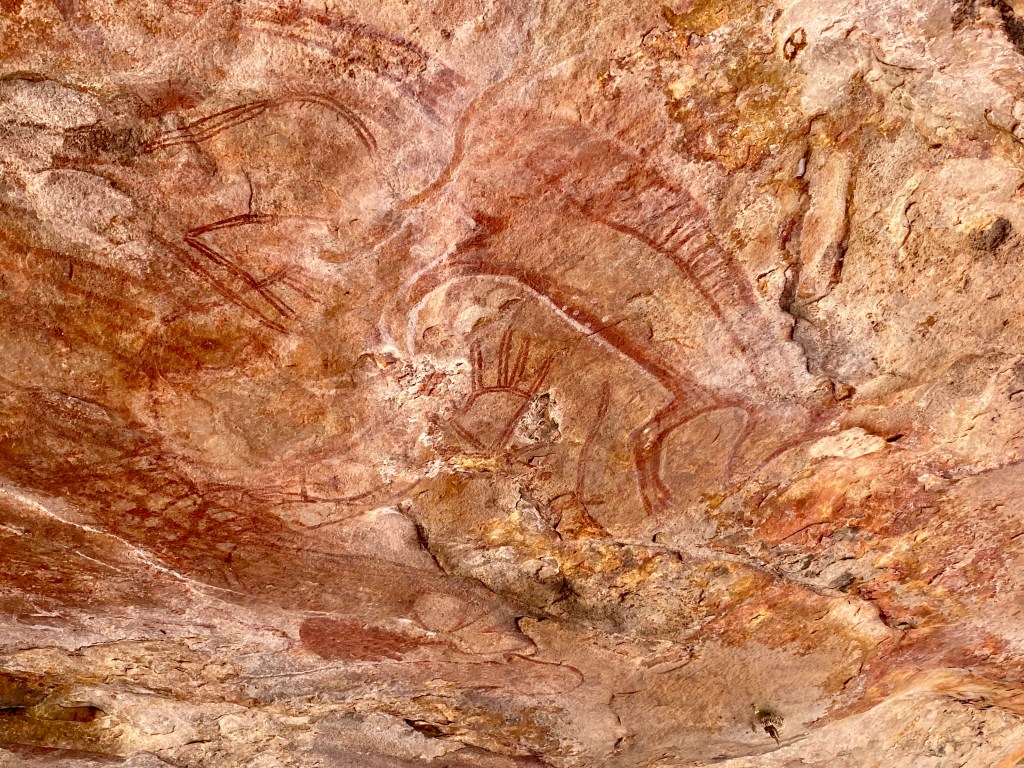
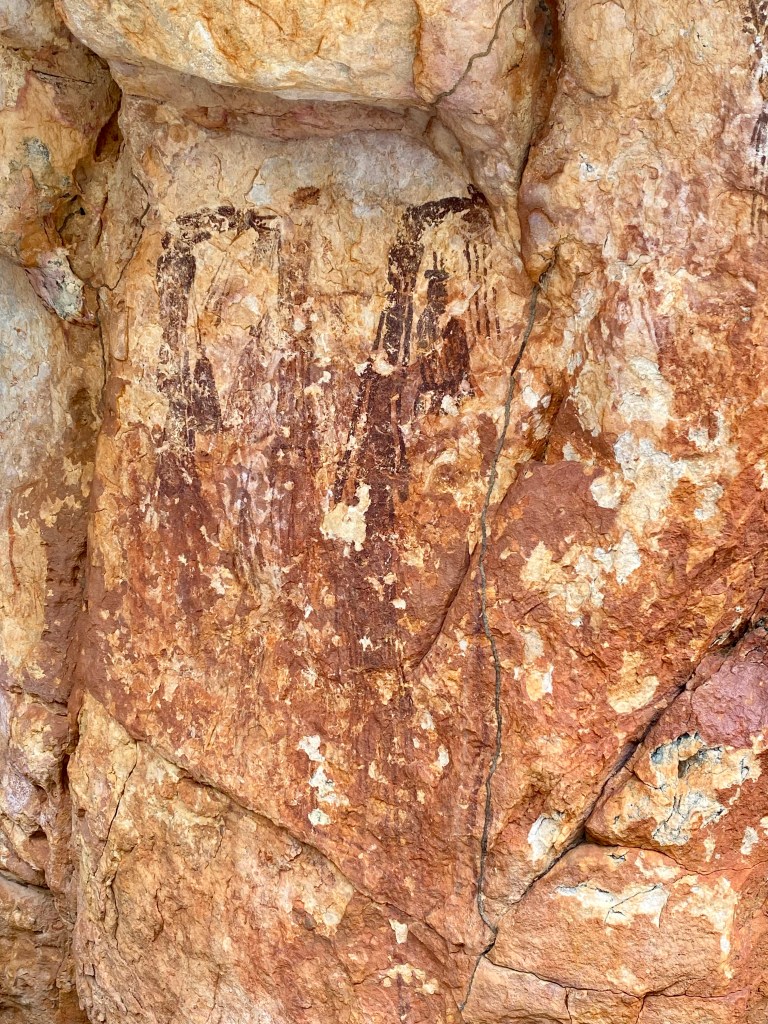
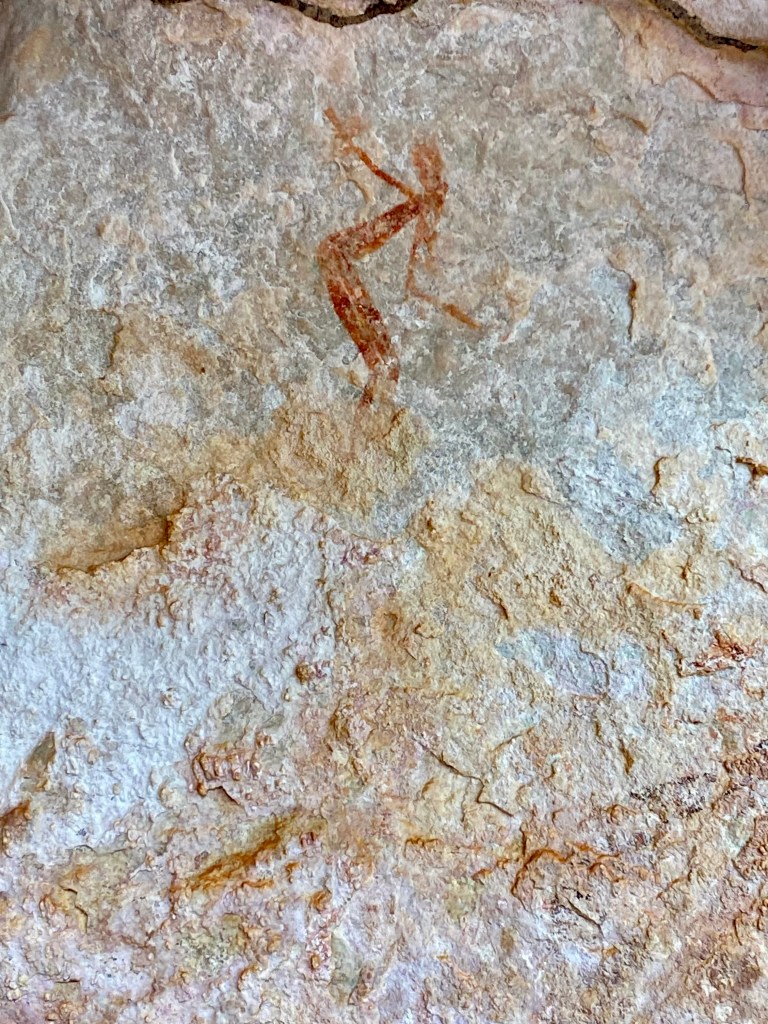
They are certainly impressive and apparently quite plentiful in this area. A legacy of people who survived on this rugged land and who used caves and overhangs as their homes.


 Mezze Moments
Leave a comment